

Subscribe to the CIPS Newsletter
- Home
- Canada and the Middle Power Challenge
Canada and the Middle Power Challenge

Event Date: October 2, 2026 - 9:00am to 5:30pm
Location: FSS 4007 & online, 120 University Private, University of Ottawa
Registration: Google Forms
Please note that in-person registration is now closed. We invite you to register to join us via Zoom.
Presented by the Canadian Pugwash Group (CPG) and the Centre for International Policy Studies (CIPS)
Since the Prime Minister’s clarion call in Davos this January for middle power activism in tackling international problems, there has been debate over what this would mean for Canadian diplomacy. Our joint policy conference this year will hear from Canadian experts on how the new emphasis on cooperation amongst middle powers might manifest across six areas of concern for international peace and security. Are there ways to repair the “rupture” in the international order and ensure that a Canadian foreign policy premised on “principled realism” will be successful? We invite you to participate in person or online in what will certainly be a stimulating exchange of views.
This conference is free to attend but prior registration is required.
Program
9:00am-9:30am – Introductory Remarks
- Nisha Shah (CIPS) & Cesar Jaramillo (CPG)
9:30am-10:30am – Panel 1: “Common Security: An Alternative to Deterrence”
- Robin Collins (CPG) & Andrew Rasiulis (CGAI)
- Moderator: Peggy Mason
10:35am-10:45am – Coffee Break
10:45am-11:45am – Panel 2: “Amidst the Ruins of Agreements – Can Arms Control be Revived?”
- Peggy Mason (CPG) & Tariq Rauf (CPG)
- Moderator: Alyn Ware
11:45am-12:45pm – Panel 3: “Military Applications of AI – Can the Juggernaut be Controlled?”
- Branka Marijan (Project Ploughshares), Sam Vaez (CPG) & Anna Nadibaidze (University of Southern Denmark)
- Moderator: Prof. Kevin McMillan
12:45pm-2:00pm – LUNCH
2:00pm-3:00pm – Panel 4: “Arctic Security, Golden Dome and Military Spending – How Best to Apply the Windfall”
- Ernie Regehr (Simons Foundation) & Walter Dorn (CFC/CPG)
- Moderator: Sylvie Lemieux
3:00pm-3:15pm – Coffee Break
3:15pm-4:15pm – Panel 5: “Space Security Cooperation – A Vital if Elusive Goal”
- Jessica West (Project Ploughshares) & Paul Meyer (CPG/OSI)
- Moderator: Cesar Jaramillo
4:15pm-5:15pm – Panel 6: “Opportunities for Canadian Leadership in Middle Power Diplomacy”
- Michael Manulak (Carleton/CPG) & David Angell, Associate Deputy Minister (GAC)
- Moderator: Nisha Shah
5:15pm-5:30pm – Concluding Remarks
Speakers:
 David Angell is the Associate Deputy Minister of Foreign Affairs. He was appointed to this role in March 2026. Before this, Mr. Angell served as the foreign and defence policy adviser to the prime minister at the Privy Council Office beginning in March 2025. From 2024 to 2025, he was the political director and assistant deputy minister for international security and political affairs at Global Affairs Canada. Between 2019 and 2024, Mr. Angell served as Canada’s ambassador and permanent representative to the North Atlantic Council of NATO. From 2016 to 2019, he held the role of assistant secretary to the Cabinet, foreign and defence policy, at the Privy Council Office. Previously, Mr. Angell was Canada’s high commissioner in Kenya from 2012 to 2016, following several senior leadership roles at Global Affairs Canada. These included director general for international organizations, human rights and democracy from 2009 to 2012; director general for international organizations from 2008 to 2009; and director general for Africa from 2007 to 2008. Mr. Angell was also the G8 personal representative for Africa from 2007 to 2012. From 2004 to 2007, he served as Canada’s high commissioner in Nigeria. Before this, he served as an alternate representative on the UN Security Council, on the senior staff of the Northern Ireland peace negotiations, and at the Permanent Mission of Canada to the United Nations in New York City and the Embassy of Canada to the United States, in Washington, D.C. Mr. Angell holds a Master of Philosophy in International Relations from the University of Cambridge, a Master of Arts in Political Science from the University of Toronto and a Bachelor of Arts in Political Science from Yale University.
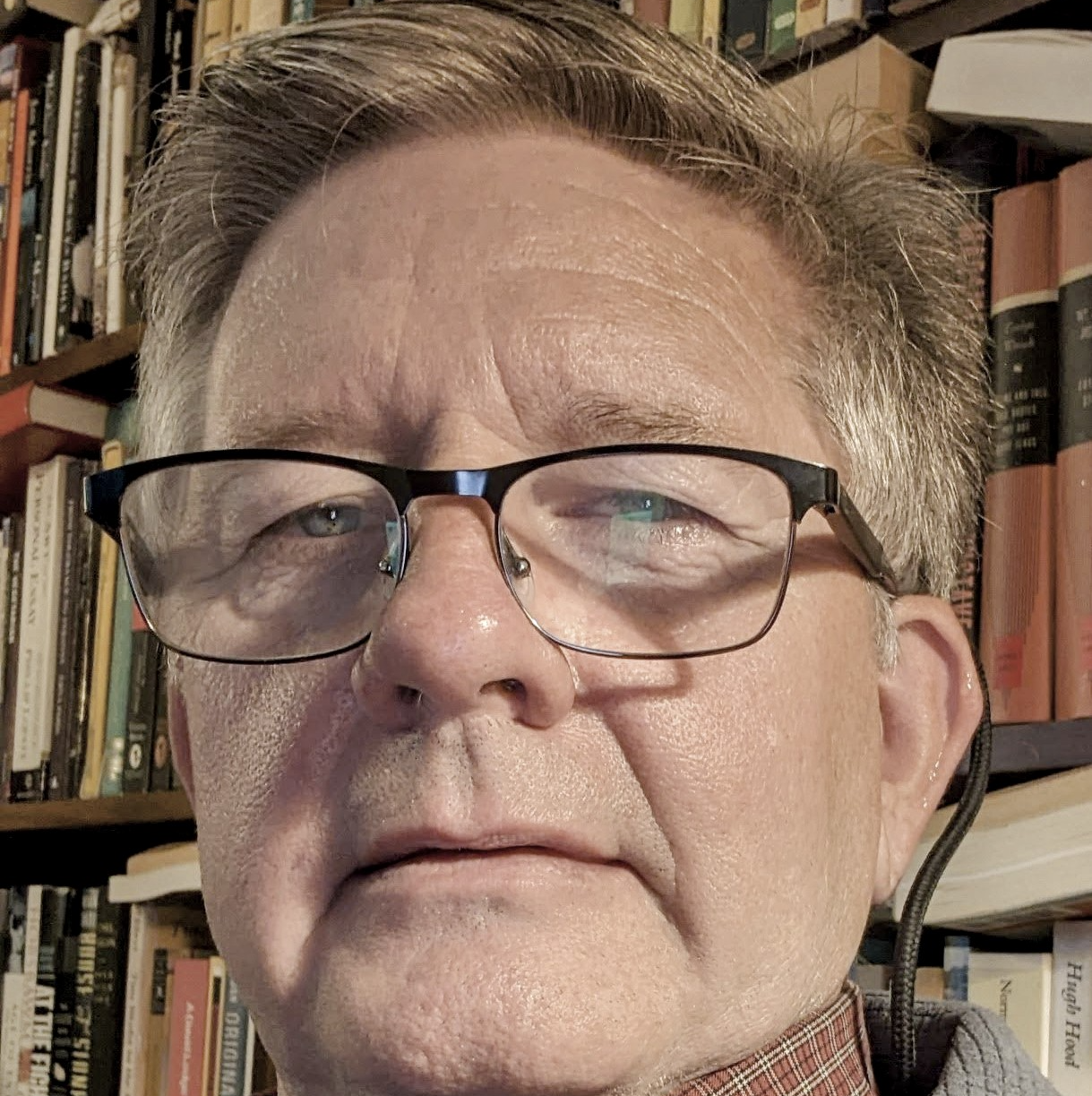 Robin Collins has advocated in support of disarmament, common security, and alternative defence for over 30 years. From 1996-2002 he was a board member and later Chair of Mines Action Canada, and primary author of MAC’s 2001 position paper on cluster bombs. He is a past co-chair of the Canadian Network to Abolish Nuclear Weapons. He is current Secretary of Canadian Pugwash Group and is on the board of the Rideau Institute (RI). Collins worked with the Group of 78 and RI to draft an alternative security policy, The Shift to Sustainable Peace and Common Security (which will be updated in 2026). Now retired, for 40 years he worked primarily for technology companies that built a variety of telephony, internet and microscope technologies. He writes regular book reviews on environment, evolution and climate issues for The Canadian Field-Naturalist journal, and has a substack blog called Escape From Certainty.
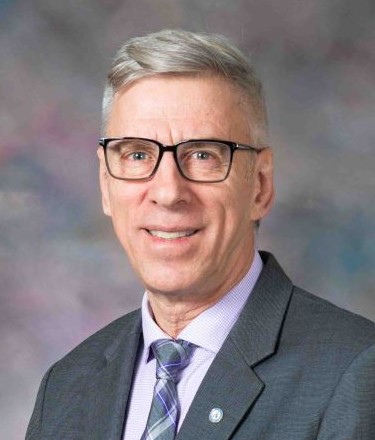 Walter Dorn is Professor of Defence Studies at the Royal Military College & Canadian Forces College. He teaches officers of rank major to brigadier-general (and equivalents) from Canada and about 20 other countries. He is a scientist by training with a PhD in Chemistry, which he applied to chemical weapons control. As an “operational professor” he participates in field missions and assists international organizations, especially the United Nations. He served with the UN’s Expert Panel on Technology and Innovation in UN Peacekeeping and has been active in civil society, including as an ICRC contractor, as WFMC President and CPG Chair. Website: www.walterdorn.net.
 Cesar Jaramillo is the Executive Director of SANE Policy Institute and the Chair of the Canadian Pugwash Group. His work focuses on arms control, global governance and international security, and his focus areas include nuclear disarmament, the protection of civilians in armed conflict, emerging military technologies and the trade in conventional weapons. Prior to founding SANE, he was Executive Director of Project Ploughshares for 10 years.
 Michael W. Manulak is Associate Professor at the Norman Paterson School of International Affairs, Carleton University. He is the author of Change in Global Environmental Politics: Temporal Focal Points and the Reform of International Institutions (Cambridge University Press, 2022), winner of the International Studies Association’s Chadwick Alger Prize, and the forthcoming book The Ghost in Geneva: The Untold History of the League of Nations (Penguin Canada, 2027). His academic and public writing has appeared in Foreign Affairs, Foreign Policy, Review of International Organizations, and other outlets. He is co-chair of the Advisory Panel report Canada and the United Nations: Rethinking and Rebuilding Canada’s Global Role. From 2015 to 2019, he served in the Government of Canada, mainly within the Department of National Defence, where he represented Canada internationally on proliferation security issues. He holds a doctorate from the University of Oxford.
 Branka Marijan is a Senior Researcher at Project Ploughshares, a Senior Fellow at the Centre for International Governance Innovation (CIGI), and a Lecturer in the Master of Global Affairs program at the Munk School of Global Affairs and Public Policy at the University of Toronto. Her work sits at the intersection of artificial intelligence, emerging technologies, national security, and international governance. She specializes in the governance of military AI, autonomous weapons systems, and responsible innovation, with a broader research agenda examining how technological change is reshaping security, defence policy, and geopolitical competition. Her recent work has also explored technology strategy, semiconductor supply chains, and the role of middle powers in shaping international AI governance. Branka regularly advises governments, contributes to multilateral policy discussions, and participates in international forums addressing emerging technologies, arms control, and global security. She has worked with Canadian government departments, international organizations, academic institutions, and civil society partners to advance practical approaches to AI governance, accountability, and responsible technology policy. Before focusing on emerging technologies, Branka’s research examined post-conflict societies, civilian protection, and security sector reform, providing a foundation for her continuing interest in how institutions adapt to technological and political change. She holds a PhD from the Balsillie School of International Affairs specializing in conflict and security. Her commentary and research have appeared in academic journals, policy publications, and national media, where she writes and speaks on AI governance, defence innovation, international security, and the changing character of warfare.
 Peggy Mason has been the President of the Rideau Institute on International Affairs since June 2014. Under her leadership, this independent think tank (which does not accept funding from government or industry) seeks – through policy research, advocacy, and public engagement – to revitalize Canada’s peacekeeping, diplomatic peacemaking, arms control and disarmament, and peacebuilding roles in the world, through inclusive multilateralism, strengthening the UN capacity for conflict prevention, and peaceful conflict resolution and the progressive enhancement of international law. Against the backdrop of an American administration intent on severely weakening the UN and international law, the Rideau Institute has partnered with the Canadian Pugwash Group in a joint project entitled “Laying the foundation for Common Security in a time of fundamental insecurity”. An inaugural member of the University of Ottawa Common Law Honour Society (2003), Mason’s distinguished career highlights diplomatic and specialist expertise in the field of international security, with a particular emphasis on the United Nations, where she served as Canada’s Ambassador for Disarmament from 1989 to 1995. During this time, she led Canadian delegations to Review Conferences of the Nuclear Non-Proliferation Treaty (NPT) and the Biological and Toxin Weapons Treaty (BWC), chaired UN expert groups on arms control verification and small arms regulation, and served for two terms on the UN Secretary-General’s Advisory Board on Disarmament. In 2016 she received an achievement award from Canadians for a Nuclear Weapons Convention for her commitment to a nuclear-weapons-free world. As a regular mentor, trainer and exercise developer (1995 -2014), Mason brought the UN political/diplomatic perspective to a range of UN, NATO, and EU military training exercises to help prepare military commanders and their senior staff for complex, multidisciplinary peace and crisis stabilization operations, including ISAF deployments to Afghanistan. Peggy Mason is proud to be a longstanding and active member of several Canadian non-governmental organizations focusing on peace and security, including the Group of 78 (past Chair and current Board Member), Canadian Pugwash Group (Vice-Chair), and the Canadian Network to Abolish Nuclear Weapons (Advisory Board member). Additional note: Peggy Mason was an international security policy advisor in the office of the then Canadian Foreign Minister Joe Clark when Canada rejected official participation in President Reagan’s SDI (Star Wars) research programme. In Nov 2025 she testified before the Senate Standing Committee on National Security, Defence and Veterans’ Affairs against Canadian participation in the strategic ballistic missile defence components of President Trump’s Golden Dome project.
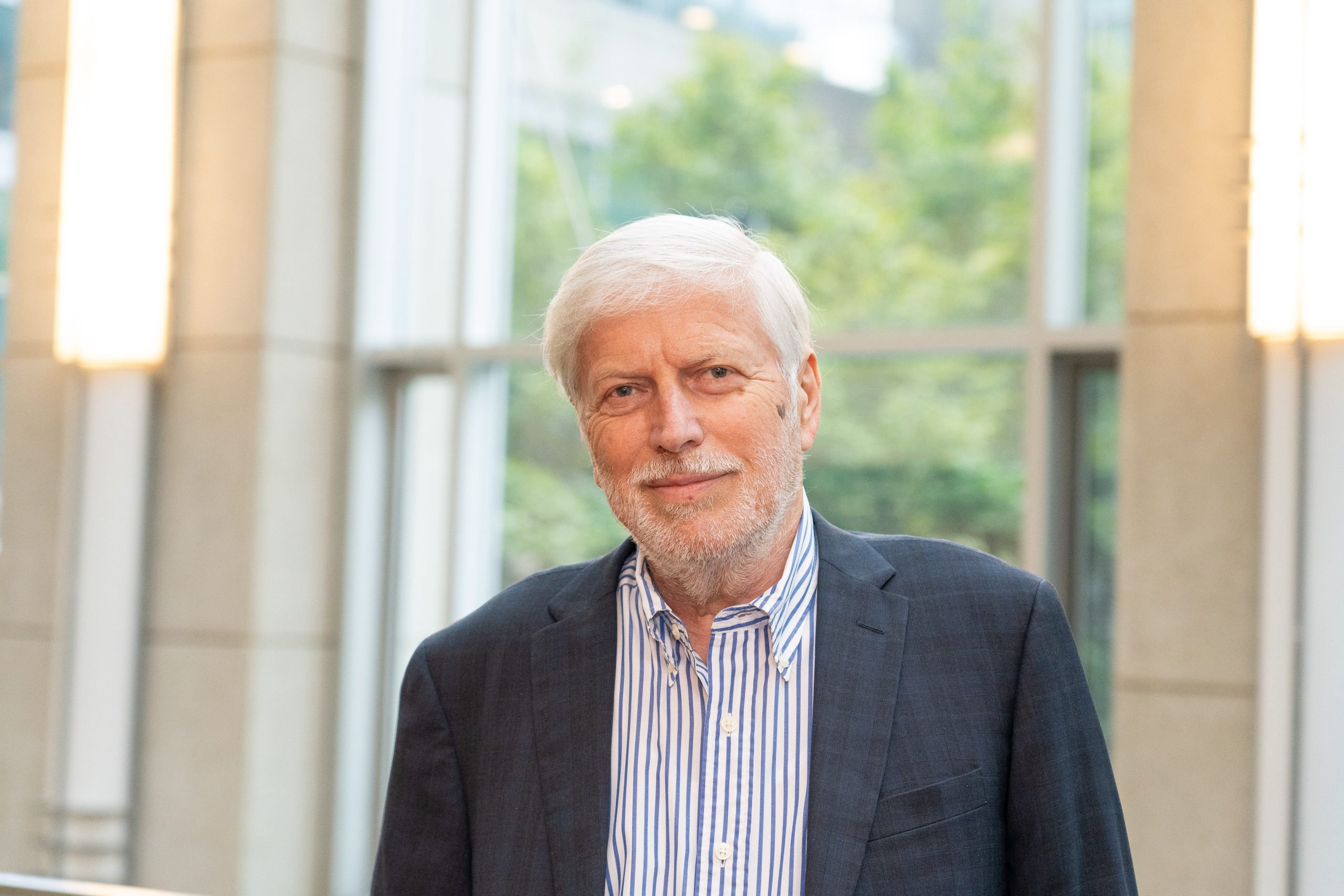 Paul Meyer is Fellow in International Security and Adjunct Professor of International Studies at Simon Fraser University. He is a founding Fellow of the Outer Space Institute, a senior advisor to ICT4Peace and a Director of the Canadian Pugwash Group. Prior to assuming his current positions in 2011, Mr. Meyer had a 35-year career with the Canadian Foreign Service, including serving as Canada’s Ambassador to the United Nations and to the Conference on Disarmament in Geneva (2003-2007). He teaches a course on diplomacy at SFU’s School for International Studies and writes on issues of Canadian diplomacy, nuclear non-proliferation and disarmament, outer space security and international cyber security.
 Dr. Anna Nadibaidze is a Balsillie Scholar at the Balsillie School of International Affairs and a Postdoctoral Researcher at the Center for War Studies, University of Southern Denmark (SDU). She investigates artificial intelligence (AI) technologies in international security and the global governance of military applications of AI. Anna holds a PhD in political science from SDU. Her research is part of the Independent Research Fund Denmark-funded HuMach project, as well as the European Research Council-funded AutoNorms and AutoPractices projects. She regularly attends and speaks at key global events on military AI, such as debates at the United Nations or the Responsible AI in the Military Domain (REAIM) summits. Her work has been published in journals such as Contemporary Security Policy, Big Data & Society, Ethics and Information Technology, and European Journal of International Security.
 Andrew Rasiulis is a Fellow with the Canadian Global Affairs Institute (CGAI) and a frequent media commentator on the Russo-Ukraine War. He has published numerous articles on conventional strategy, arms control and international military training cooperation. He joined the Department of National Defence in 1979 as an analyst with the Directorate of Strategic Analysis, specializing in strategic politico-military issues pertaining to conventional forces, serving as DND’s representative on NATO’S High Level Task Force on conventional arms control, and then as Defence Advisor to the Canadian Delegation for Conventional Arms Control Talks in Vienna. He became the first Director of Military Training and Cooperation (DMTC), responsible for managing Canada’s international military cooperation program. He holds a B.A from the University of Toronto and an M.A. from the Norman Patterson School of International Affairs, Carleton University.
 Tariq Rauf is currently an independent expert on nuclear governance based in Vienna. He is an Expert Trainer (Disarmament and Arms Control) at the United Nations Institute for Training and Research (UNITAR) Hiroshima, and at the International School on Disarmament and Research on Conflicts (ISODARCO). He was formerly a member of the Group of Eminent Persons for Substantive Advancement of Nuclear Disarmament established by the Minister of Foreign Affairs of Japan, as well as Head of Verification and Security Policy; Alternate Head of Delegation to NPT Conferences; IAEA Liaison and Point-of-Contact for Nuclear Suppliers Group, Committee UNSCR 1540, Counter Terrorism Implementation Task Force; Coordinator of IAEA Multilateral Approaches to the Nuclear Fuel Cycle (IAEA LEU Reserve Angarsk, UK Nuclear Fuel Assurance, IAEA LEU Bank); responsible for the IAEA Forum on Experience of Nuclear-Weapon-Free Zones Relevant for the Middle East; Office reporting to Director General, International Atomic Energy Agency (IAEA).
 Ernie Regehr has worked most of his career in the areas of nuclear disarmament, military transfer controls, and human security. He is co-founder and was for thirty years Executive Director of Project Ploughshares, a Canadian based peace research institute with a focus on disarmament and international security. More recently his focus has shifted to Arctic security and Canadian defence policy. Ernie is currently Senior Fellow with The Simons Foundation Canada, and Research Fellow at the Centre for Peace Advancement of Conrad Grebel University College, University of Waterloo. He is an Officer of the Order of Canada.
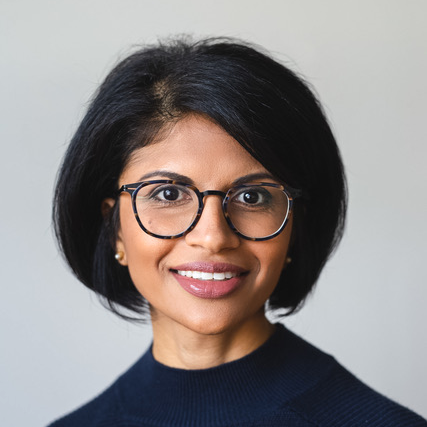 Nisha Shah is an Associate Professor in the School of Political Studies at the University of Ottawa. Her research interests are in the areas of international relations, international security, and political geography, with a particular interest in the history of science and technology in world politics. Her current project, Calibrating Lethality, traces the history of the ethics of killing in war through the design and development of weapons. She is currently a co-editor of The Review of International Studies.
 Dr. Sam Vaez is a leading foreign policy strategist and scholar with over 15 years of expertise in international security, disarmament, and innovative research. He holds a PhD in International Relations from the University of Leeds. Currently serving as Director of the Canadian Pugwash Group, he draws on his experience as a former professor, department chair, and participant in UN peace initiatives to shape the global security architecture.
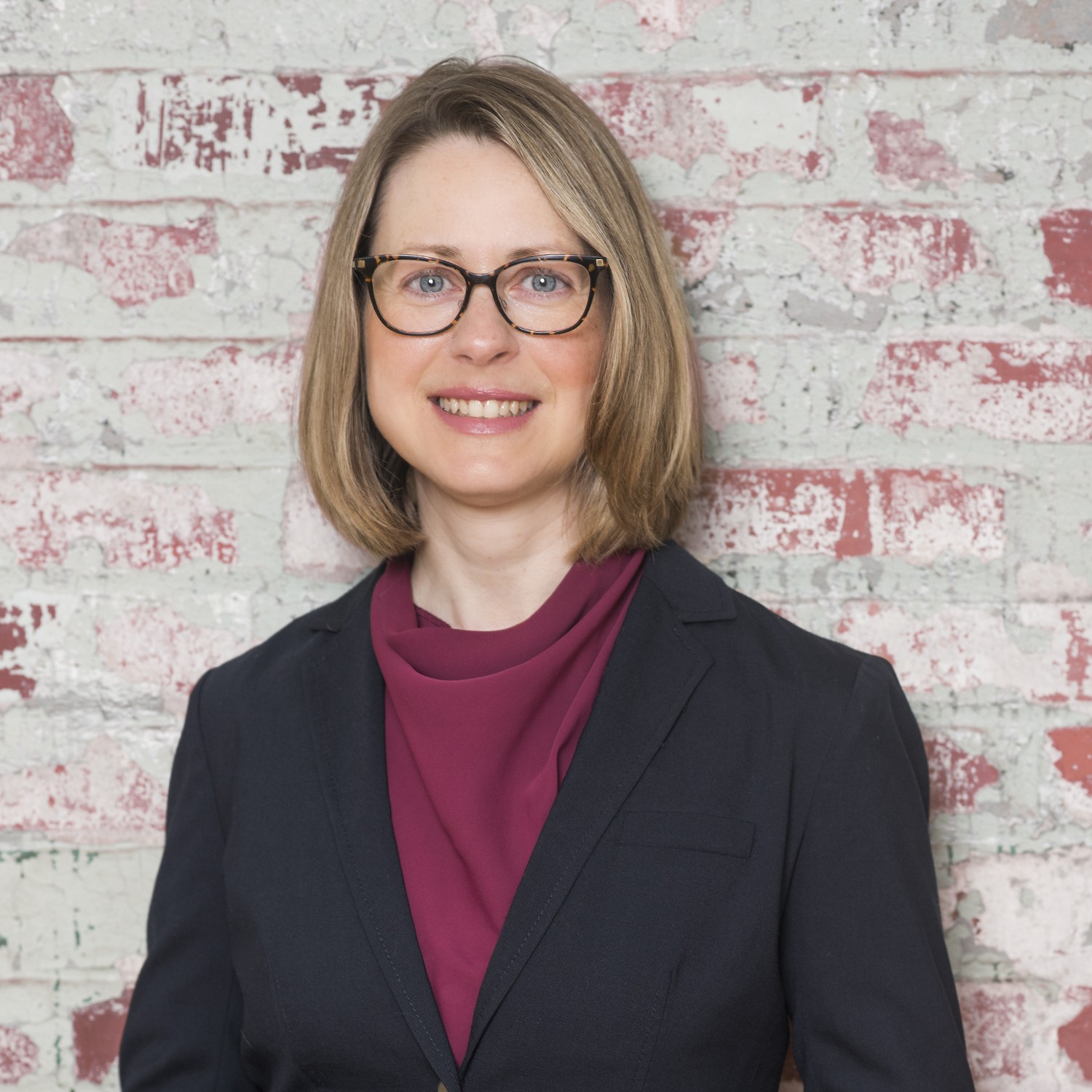 Dr. Jessica West is a Senior Researcher at Project Ploughshares and a Senior Fellow at the Centre for International Governance Innovation. She leads research on outer space security, space governance, and the prevention of conflict in orbit. Her work examines how emerging technologies and evolving military, commercial, and civil uses of space affect international peace and security, arms control, civilian life, and efforts to keep space safe, sustainable, and accessible to all. Jessica engages regularly with United Nations processes on space security, space safety, and the prevention of an arms race in outer space. She is a member of Canadian Pugwash Group.

