

Subscribe to the CIPS Newsletter
- Home
- Book Workshop: Canadian Defence Policy in Theory and Practice, Vol. 3
Book Workshop: Canadian Defence Policy in Theory and Practice, Vol. 3
 One of the 2025/2026 winners of the CIPS Research Initiatives (CRI) competition is a book workshop titled “Canadian Defence Policy in Theory and Practice, Vol. 3”. This project will involve the following CIPS researchers:
- Thomas Juneau, Professor, GSPIA
- Srdjan Vucetic, Professor, GSPIA
Project Description:
The second Trump presidency marks a watershed moment for Canadian defence policy. In 2025, the Liberal government led by Prime Minister Mark Carney committed to meeting NATO’s 2% of GDP defence spending target, with the longer-term ambition of reaching 5% Ottawa stood up a new Defence Investment Agency, signed contracts for key capabilities such as Arctic over-the-horizon radar, a polar communications satellite, and long-overdue Challenger aircraft replacements, and joined the European SAFE initiative. Most consequentially, Prime Minister Carney declared that Canada’s traditional security and defence relationship with the US was over, signalling a shift toward greater domestic production and procurement.
This project brings together a group of authors contributing to Canadian Defence Policy in Theory and Practice, Vol. 3. The topic is an evergreen issue in Canadian politics, and it addresses issues with which scholars, students, experts, and concerned citizens continuously struggle. This book series is designed for two main audiences, academics and practitioners, offering an up-to-date, comprehensive, and non-partisan overview of the key issues shaping both the theory and practice of Canadian defence policy, as established in the successful Vols 1-2.
For practitioners, including military personnel, civilian defence officials, diplomats, journalists, political staffers, NGO professionals, and industry representatives, Vol 3 will offer a clear, accessible “update” to guide the scholarly and practical knowledge of the politics and processes shaping Canadian defence. Given the continued prominence of defence issues in public discourse, it will also appeal to informed members of the general public.
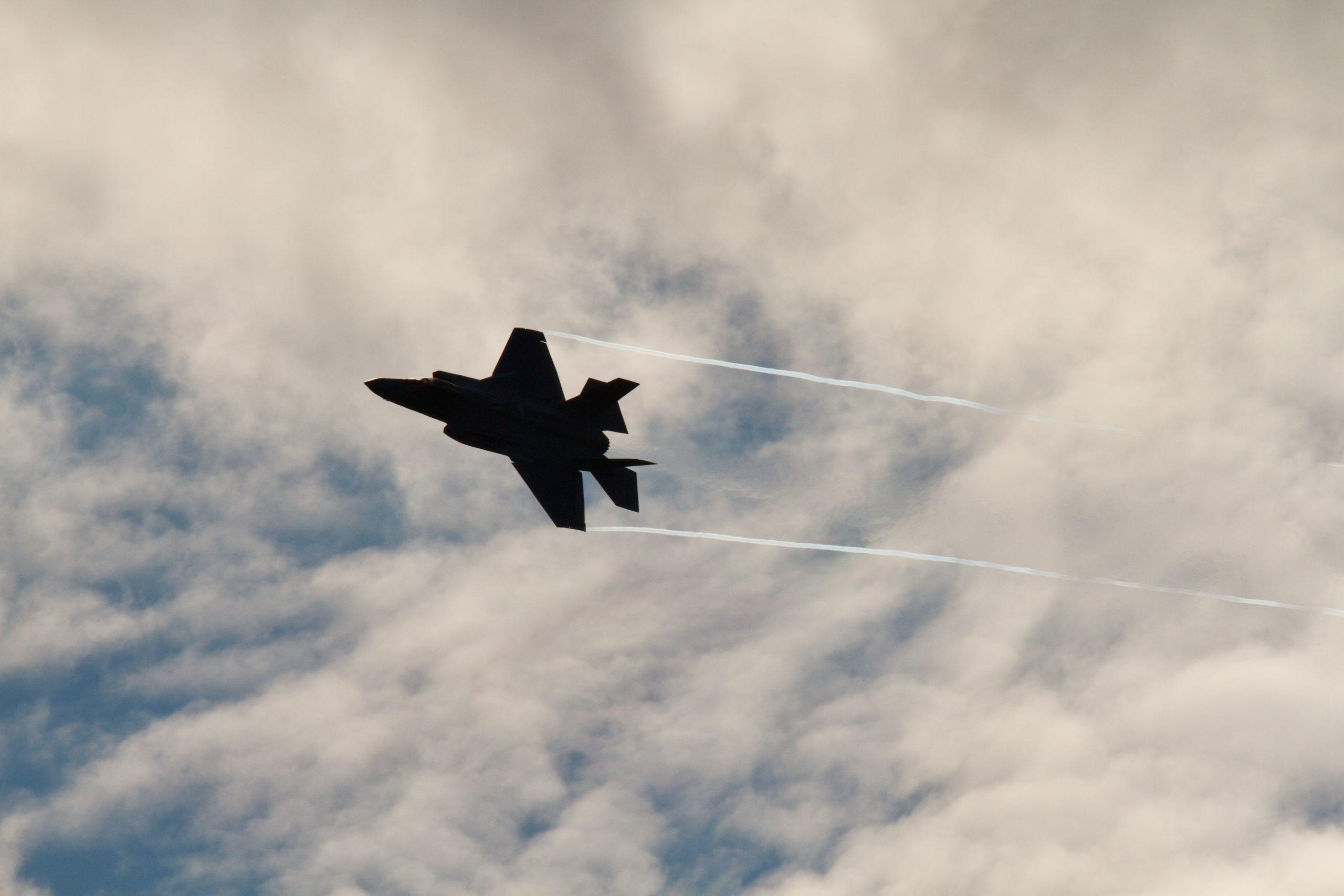
The proposed Vol 3 also addresses the issues on the basis of a national and international context that is different from previous contributions: the long-delayed Defence Industrial Strategy, the prolonged review of Canada’s F-35 fighter purchase, the selection of the new submarines (either Hanwha or TKMS), the future Airborne Early Warning and Control capability, digital infrastructure, the new Defence Investment Agency itself, and of course the diversification away from the US.
Learn more about Volumes 1 and 2 here.
Project update:
A closed, invitation only seminar will be held in September 2026. More details will be available by the end of 2026.