

Subscribe to the CIPS Newsletter
- Home
- Strategies for Approval: Building Support for Military Intervention at the UN Security Council
Strategies for Approval: Building Support for Military Intervention at the UN Security Council
Event Date: April 14, 2026 - 12:00pm to 1:30pm
Location: FSS 4004, 120 University Private, University of Ottawa
Presented by CIPS
UN Security Council approval remains highly desirable to prospective military interveners, especially liberal democratic ones, as domestic and international audiences often expect such approval as a condition for legitimate intervention. Yet how can UNSC approval be secured when veto-wielding permanent members such as China and Russia have grave misgivings? Recchia demonstrates that since the early 1990s, when the United States, France, and Great Britain have sought UNSC approval in the face of serious opposition from other permanent members, they have not been able to rely solely on economic and political leverage to obtain the desired resolution; instead, they have had to combine the use of leverage with credible signals that they would act with restraint and in line with core international norms. This often required that they accept to incorporate costly limitations on the scope and duration of military action into the requested resolution. Recchia argues that accepting such limitations will be critical in the future if powerful countries, including the United States, wish to continue to reap the legitimacy benefits of UN approval under circumstances of increased great-power competition.
Speaker:
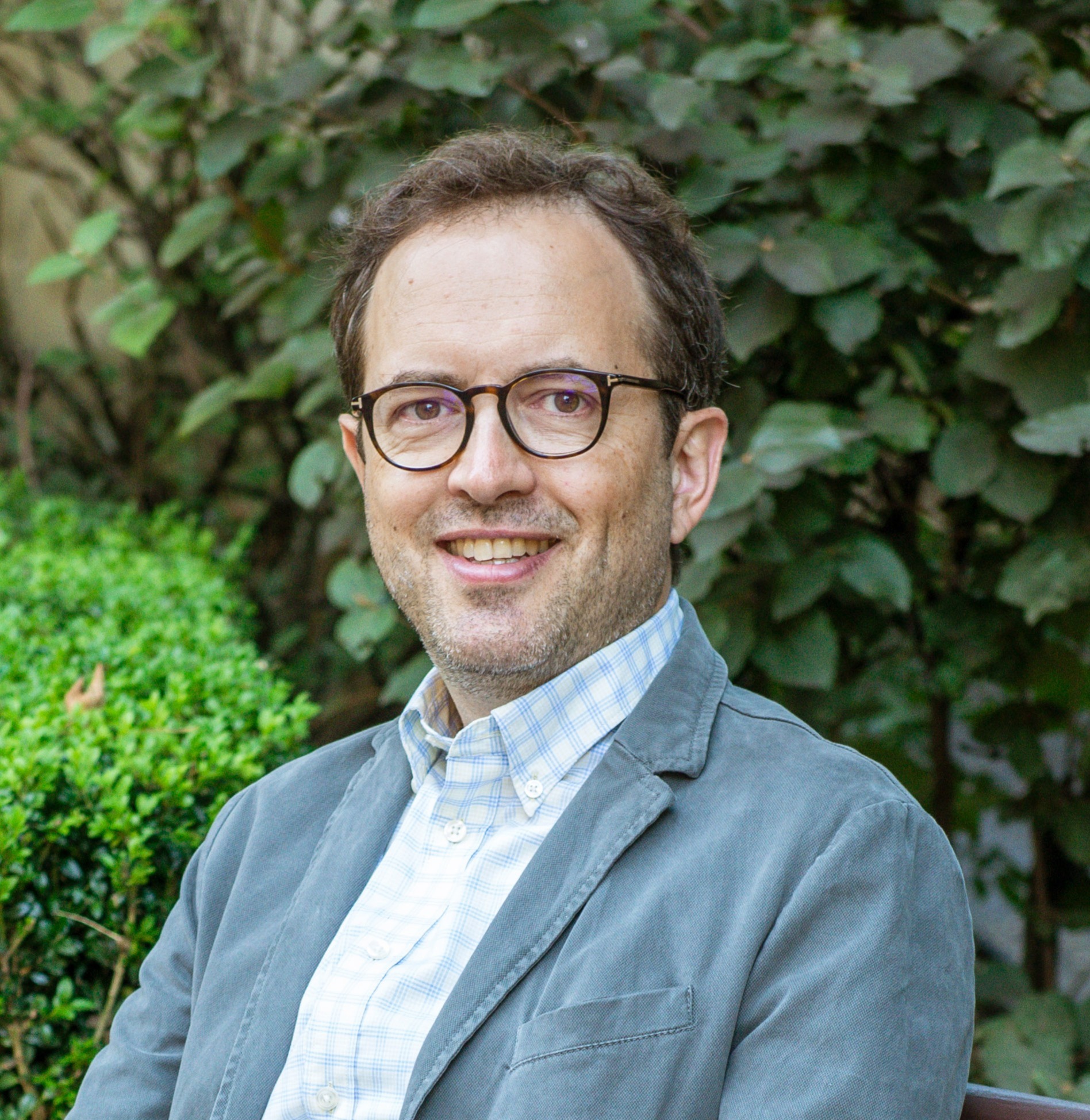 Stefano Recchia (PhD, Columbia University) is John G. Tower distinguished chair in international politics and full professor of political science at Southern Methodist University (SMU) in Dallas, Texas. His research and teaching focus on the politics and ethics of military intervention, multilateral cooperation in security affairs, and U.S. foreign and defense policy. He is the author of two books: Strategies for Approval: Building Support for Military Intervention at the UN Security Council (Yale University Press, 2025) and Reassuring the Reluctant Warriors: U.S. Civil-Military Relations and Multilateral Intervention (Cornell University Press, 2015). In addition, he has published many articles in highly ranked journals, including International Studies Quarterly, International Theory, the Journal of Politics, the Journal of Strategic Studies, the Review of International Studies, and Security Studies. He has held numerous fellowships, including from the Brookings Institution, the Dickey Center at Dartmouth College, the European University Institute, and the Harvard Kennedy School.
Chair:
 Alexandra Gheciu is a Professor at the Graduate School of Public and International Affairs (GSPIA) and the Director of CIPS.