Subscribe to the CIPS Newsletter
- Home
- Strengthening Legal Protection Systems for Women and Girls in Sub-Saharan Africa in the Age of Artificial Intelligence
Strengthening Legal Protection Systems for Women and Girls in Sub-Saharan Africa in the Age of Artificial Intelligence

Event Date: March 27, 2026 - 9:00am to 10:30am EDT
Location: online
Registration: Google Forms
Presented by CIPS, the Real Life Research Institute’s Africa Program, the Gender, Peace, and Development Research Network, and the Research Network on Women, Peace and Security
The rapid expansion of internet access and mobile connectivity in Sub-Saharan Africa has been accompanied by a rise in technology-facilitated gender-based violence (TFGBV), exposing significant regulatory and institutional gaps. In 2021, UN Women reported that close to 40% of women in Africa experienced online abuse, with young women aged 18–35 disproportionately targeted. The African Commission on Human and Peoples’ Rights, in its Resolution 522 on the Protection of Women Against Digital Violence in Africa, recognizes the growing prevalence of technology-facilitated gender-based violence, including cyberstalking, non-consensual sharing of intimate images, and coordinated online harassment, particularly targeting women in public and politically active roles. Recently, in Kenya and Ghana, incidents involving the non-consensual filming and sharing of intimate images of women and girls by a foreign visitor using AI-enabled glasses have raised fresh alarms across Africa, underscoring the urgent need for stronger legal protections and enhanced cross-country collaboration to address digital abuse.
In this webinar, participants will discuss emerging forms of technology-facilitated violence against women and girls in Sub-Saharan Africa, examine the gaps between legal commitments and institutional responses, and identify practical, coordinated strategies for prevention, protection, and accountability, while situating these challenges within broader global efforts to address digital gender-based violence.
Expected Outcomes
- Participants will understand the specific AI-related risks and harms affecting women and girls in Africa and learn practical strategies to safeguard their privacy, security, and rights online.
- Attendees will gain insights into legal frameworks, ongoing reforms, and gaps in protecting women and girls from digital and AI-enabled abuse, including gaps in cross-country and global responses.
- A policy brief will be developed and shared post-webinar to support future advocacy and legal reforms.
Speakers:
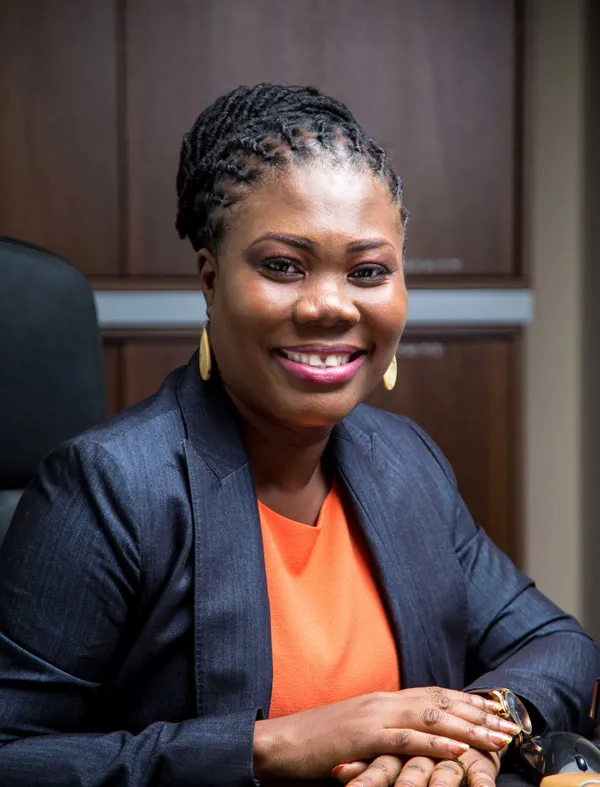 Horname Sylvia Noagbesenu is a lawyer with over 22 years of experience in human rights, peace and security, gender advocacy, and development work. She is currently the Director of Policy, Planning, Monitoring, and Evaluation and the Acting Director of the Women, Youth, Peace and Security Institute at the Kofi Annan International Peacekeeping and Training Centre (KAIPTC). She has collaborated with governments, civil society organizations, and other stakeholders across Ghana, Gambia, Kenya, Liberia, Uganda, and Ethiopia, to advance human rights and peacebuilding processes, while also engaging with regional and international mechanisms and institutions including the United Nations Human Rights Council, the UN Commission on the Status of Women, the UN Committee on the Elimination of Discrimination Against Women (CEDAW), the UN Universal Periodic Review, the World Bank Inspection Panel, the African Union Commission, the African Commission on Human and Peoples’ Rights, and ECOWAS.
 Prudence Chepngeno is a digital governance and peacebuilding practitioner working at the intersection of emerging technologies, artificial intelligence policy, and conflict analysis in Sub-Saharan Africa. Her work bridges research and practice by advancing institutional approaches to managing technology-enabled risks and strengthening policy responses to emerging vulnerabilities in complex political environments. Prudence’s discussion will focus on regulatory gaps, accountability mechanisms, and the development of rights-based, gender-responsive safeguards within evolving digital governance frameworks.
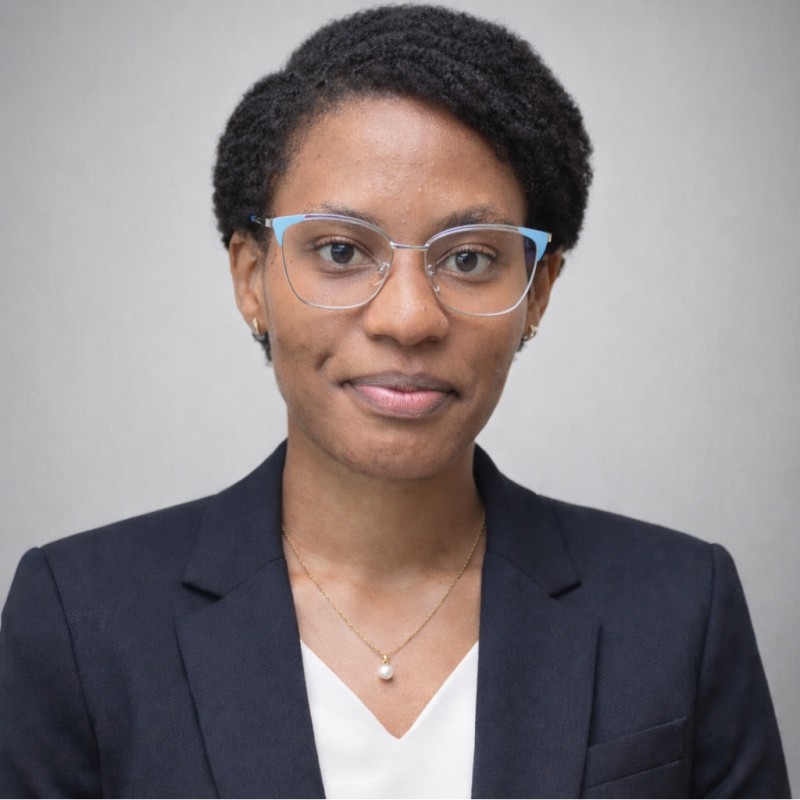 Roselyn Kwaramba is a Research Associate at the Real Life Research Institute – Africa Program. Drawing on her experience in youth-focused development programming and NGO consultancy, she will discuss how AI-enabled gender harms affect communities across Africa, particularly young women and vulnerable groups. Her presentation highlights how victims are responding to online harms and practical, community-driven strategies for prevention, awareness, and resilience building.
Concluding Remarks:
 Rebecca Tiessen is a Canadian academic whose work focuses on international development and gender. She assisted Global Affairs Canada in developing tools to measure the effectiveness of development projects. Her work typically evaluates whether development strategies utilized by bureaucracies can be transformational or whether change within systems is hampered and requires an outside structure to be effective. She is full professor in the School of International Development and Global Studies at the University of Ottawa and co-director of their Gender, Peace, and Development Research Network.
Moderator:
 Ernest Lequimboh is an award-winning author, policy strategist, and emerging thought leader at the nexus of artificial intelligence, governance, and inclusive public leadership. Author of 10 Investments You Must Make Before 40, he advances disciplined, values-driven financial empowerment. A distinguished Alumnus of the Duke of Edinburgh’s Commonwealth Conference of Global Leaders, he represents a new generation of globally engaged African thinkers. He serves as a Legislation Analyst and Policy Official with the Government of Nunavut, specializing in legislative modernization. With academic foundations in Women and Gender Studies, Law, and Public Policy—and advanced studies in AI and DevOps, his forthcoming paper critically examines AI governance capacity.