

Subscribe to the CIPS Newsletter
- Home
- The Political Future of the Post-Soviet Space – Lecture and Open Q&A Session with Andrzej Poczobut
The Political Future of the Post-Soviet Space – Lecture and Open Q&A Session with Andrzej Poczobut
Event Date: October 5, 2026 - 8:30am to 10:00am
Location: FSS 4006, 120 University Private, University of Ottawa
Presented by CIPS
What does it truly mean to stand up for human dignity against an authoritarian regime? Join us for an extraordinary, first-hand encounter with Andrzej Poczobut, a prominent Polish-Belarusian journalist, human rights activist, and recipient of the European Parliament’s prestigious Sakharov Prize for Freedom of Thought.
The post-Soviet region has become the critical epicenter reshaping the modern world order. At its heart, Russia’s war against Ukraine has shattered decades of peace, fundamentally altering European security and forcing a global re-examination of international law. Simultaneously, the ongoing struggle for democracy in Belarus highlights the severe crisis of human rights and political repression under authoritarian rule. This vast territory is no longer just a region in transition, but a primary frontline where the future of global security, self-determination, and fundamental human freedoms is being decided. Understanding these dynamics is essential for anyone looking to decipher the future of international relations.
Andrzej Poczobut has recently been released in a prisoner exchange after spending over five years in a Belarusian maximum-security prison for his uncompromising work. Mr. Poczobut offers an unparalleled, raw perspective on the realities of the post-Soviet space. This is not a theoretical lecture—it is a live testament to resilience. Attendees can expect a gripping analysis of the Russia-Ukraine war, the escalating crackdown on freedoms in Belarus, and the immediate threats facing European security. Do not miss this rare opportunity to ask your own questions during the open Q&A session and engage directly with a true symbol of modern political courage.
Speaker:
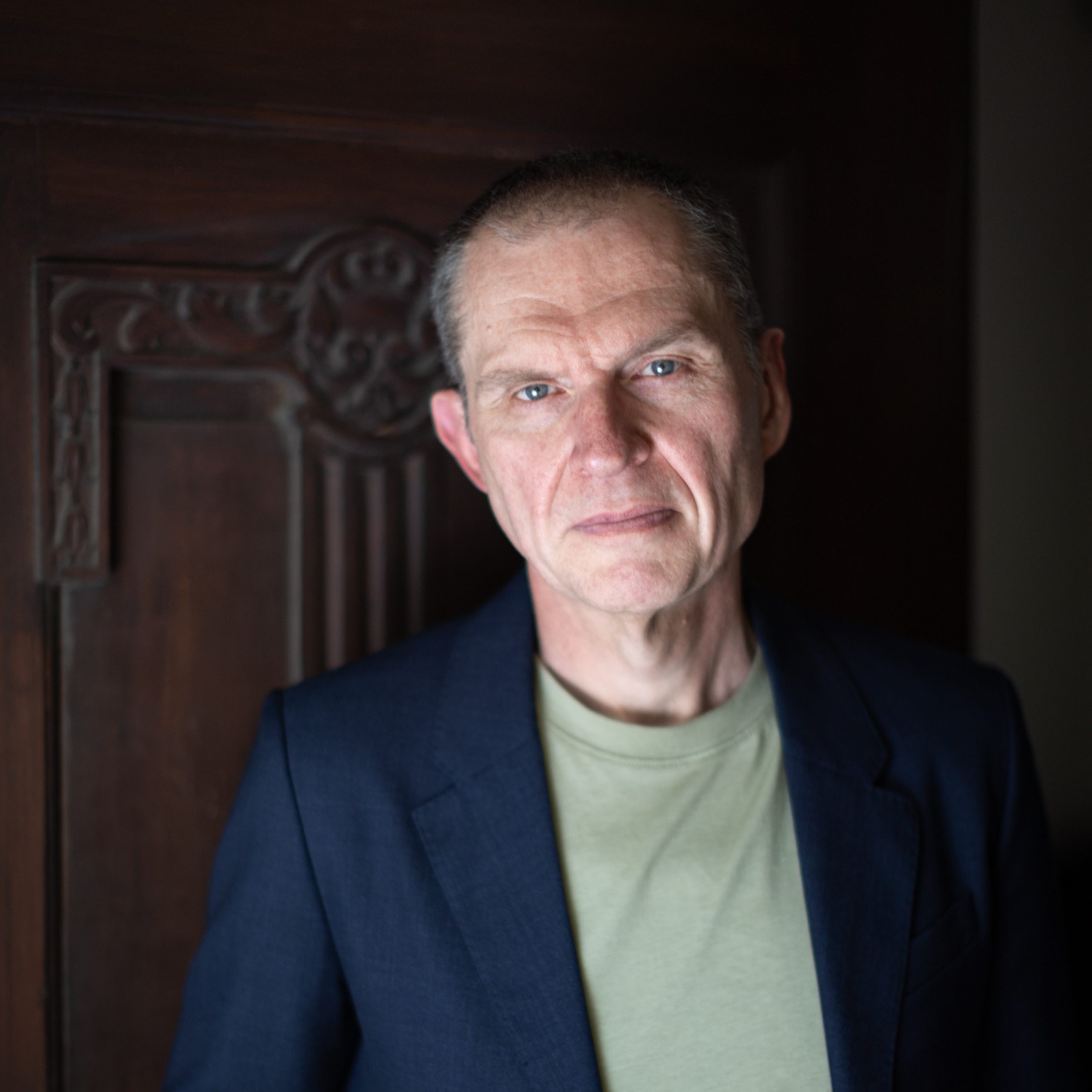
Photo by Ms. Ewa Wołkanowska-Kołodziej
Andrzej Poczobut (born 1973) is a journalist, an activist representing the Polish minority in Belarus, and an expert on the history of the anti-communist underground in the Byelorussian Soviet Socialist Republic (BSSR). Born in the Soviet Union, he earned a law degree from Yanka Kupala State University in Grodno. He began working for Polish- and Belarusian-language media outlets in 2002. In 2006, he became the Belarus correspondent for the Polish daily Gazeta Wyborcza. From 2018 to 2021, he co-produced Nad Niemnem, a programme broadcast on Poland’s public television channel TVP Polonia. Poczobut has received numerous prestigious Polish and Belarusian journalism awards, as well as the European Parliament’s Sakharov Prize. He has also been awarded the Order of the White Eagle, Poland’s highest state decoration. The Belarusian authorities have repeatedly persecuted him for his journalistic and civic activities. He is a member of the governing board of the Union of Poles in Belarus, an organization that is not recognized by the Lukashenko regime. He was arrested in 2021 and subsequently sentenced to eight years in prison on charges of inciting hatred and calling for actions deemed harmful to Belarus’s national security. He was released in a prisoner exchange in 2026.
Chair:
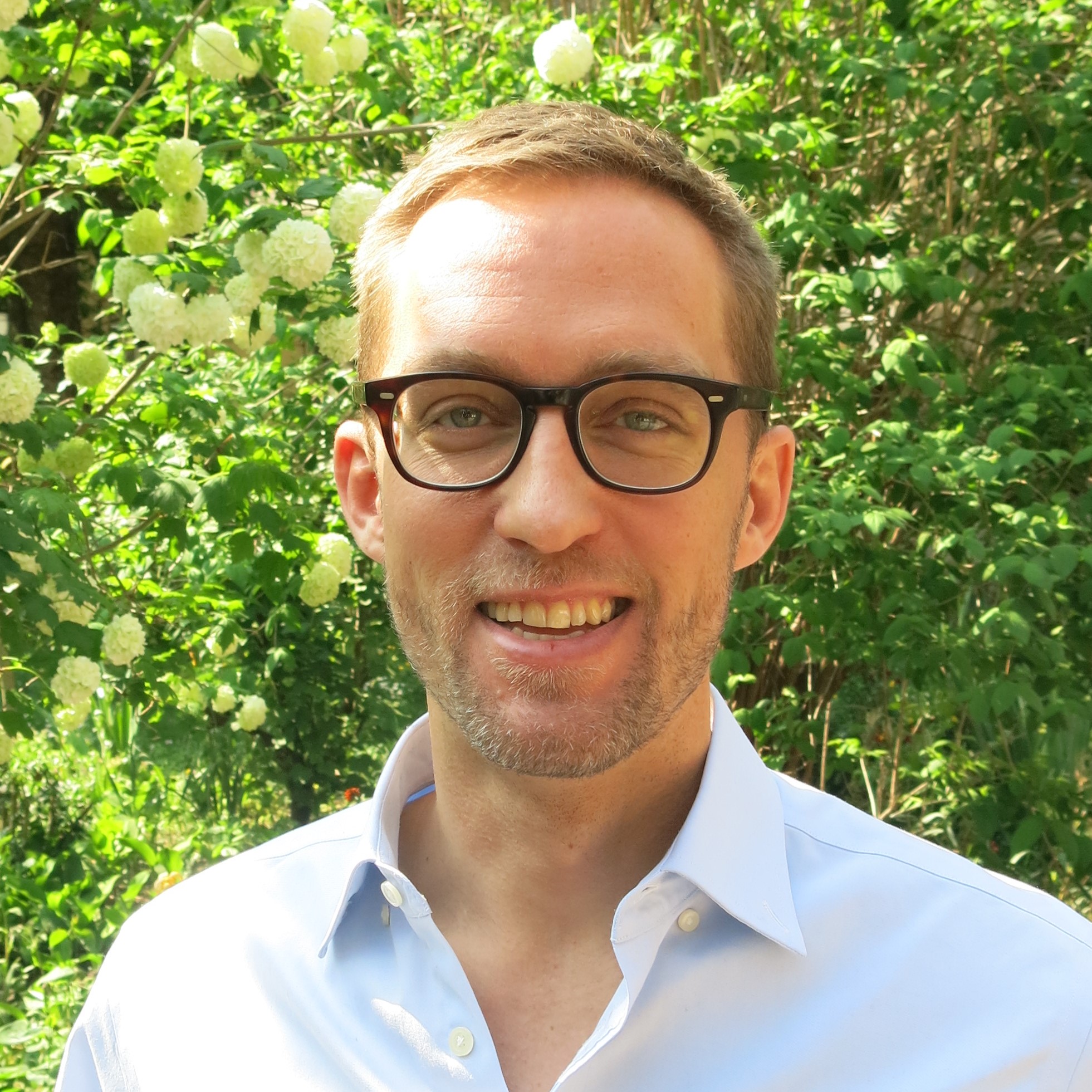 Roman Krakovsky is an associate professor of history at the University of Ottawa and holds the Chair in Slovak and Central European Studies. His research, at the intersection of history and political sociology, examines the processes of modernization, social cohesion, and the genesis of populism in Central Europe over the long term.