

Subscribe to the CIPS Newsletter
- Home
- Jean-François Doulet, Principal Researcher
Jean-François Doulet, Principal Researcher
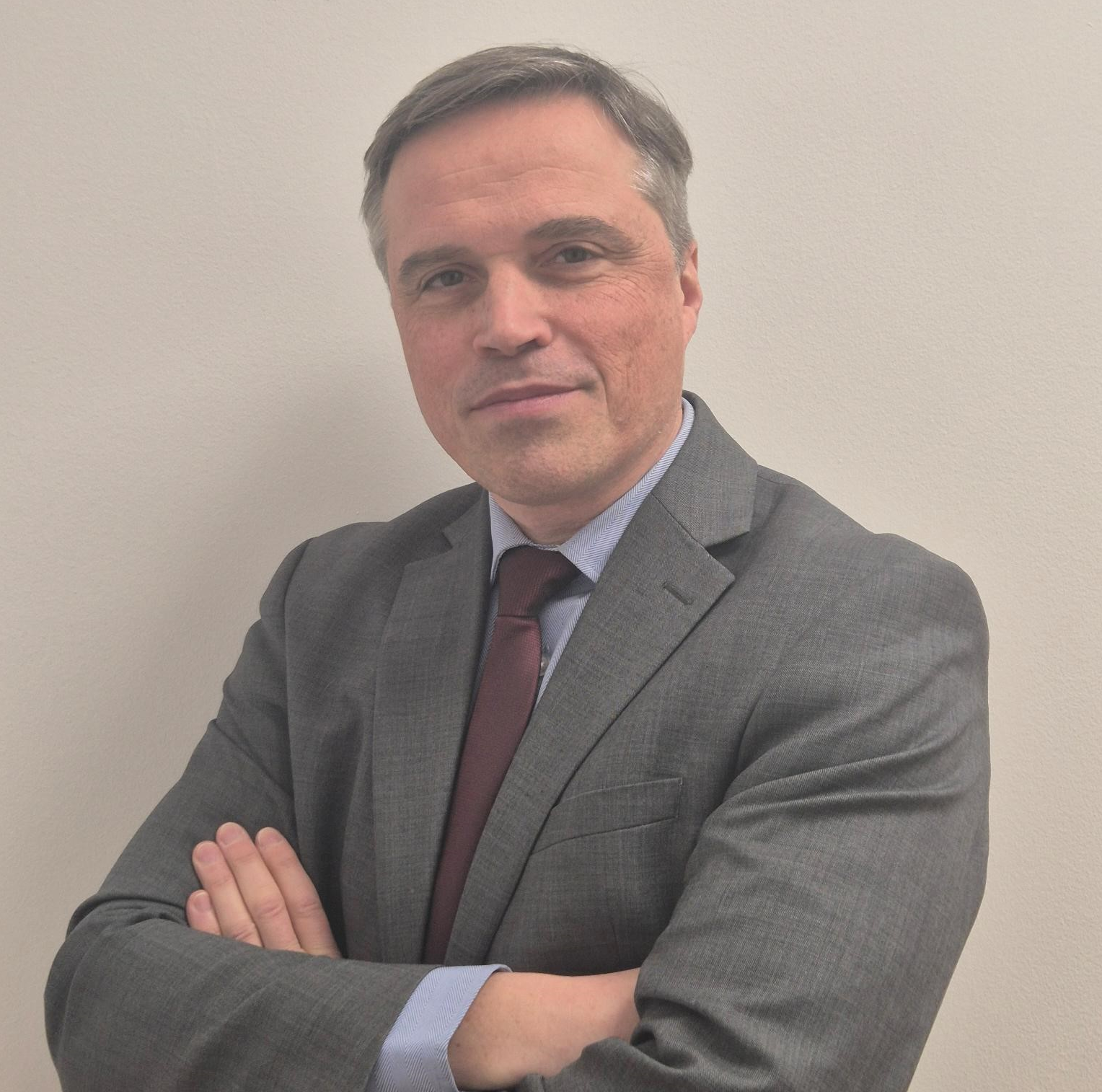 Jean-François Doulet holds a PhD in Geography from Paris Nanterre University and a habilitation to supervise research from Sorbonne University. He is an Adjunct Professor in the Department of Geography, Environment and Geomatics at the University of Ottawa. An Associate Professor at Université Paris-Est Créteil (UPEC), he is affiliated with the Paris School of Urban Planning, a researcher at Lab’Urba, and an associate researcher at the Centre for International Studies (CERI), Sciences Po/CNRS.
His research focuses on the geopolitics of science and science diplomacy. He examines how transformations in the international order reshape the production and circulation of knowledge, as well as the design of university cooperation initiatives and research policies. From this perspective, he approaches science diplomacy as the management of strategic interdependencies. This approach explores how states and scientific institutions organize cooperation, manage dependencies, and preserve their capacity to act in an increasingly competitive environment. In particular, he develops an analysis of regimes of action in science diplomacy, structured around the tensions between openness and closure, cooperation and competition. His work adopts a comparative perspective encompassing China, the United States, Europe, and Canada. It draws on eight years of experience in French science and higher education diplomacy, at the French Embassy in China from 2018 to 2022 and subsequently in Canada from 2022 to 2026. This experience informs an approach that combines academic research with the analysis of international scientific cooperation in practice.
A specialist on China for more than thirty years, he also conducts research on urban transformations and modes of governing cities and territories. Drawing on the Chinese case within a comparative framework, he examines the relationships between urbanization, infrastructure, and mobility, as well as the international circulation of urban models. He is particularly interested in the territorial management of networks and how it accompanies and shapes urban change. His approach brings together geography and political science to analyse how relationships among the state, local authorities, and economic actors shape planning decisions and urban development trajectories.