It’s time to vote for the winner of the CIPS Best Blog Award! The CIPS Best Blog Award is designed to recognize the best blog written by the CIPS community during the previous academic year. This is the seventh year that we will be giving out the award.
The 2026 award will go to a blog that was written between June 2025 and May 2026. During that period, we published 48 blogs on a wide variety of topics, including Indigenous Peoples, Canadian Diplomacy, FIAP, the Golden Dome, War with Iran, Trump, Foreign Aid, Middle Power Pragmatism, and much more. We hope that you have enjoyed and appreciated reading them as much as we have. Voting is now closed.
CIPS will donate $300 to an organisation of the winner’s choosing.
The full list of 48 blogs was narrowed down to a top six by our judges, Julia Palmiano Federer, Margaret Jenkins, and Susan Gregson, who kindly each read through 16 blogs and evaluated them based on the following criteria:
- The importance of the policy issue discussed
- The originality of the academic insight it provides
- The quality of the argument and the quality of the writing
We’re thankful for the time and energy that the judges put into this task. They each provided two blogs to be included into the shortlist. Read more about the judges below. The shortlist is as follows:
Universal: Renewing Human Rights in a Fractured World
By Alex Neve
The promise is unambiguous. In the first article of the United Nations Charter – eighty years ago – we find a clear commitment. One of the Purposes of the United Nations is “promoting and encouraging respect for human rights and for fundamental freedoms for all without distinction as to race, sex, language or religion.” Three years later, UN member states enshrined an explicit promise of universality in international law: “all human beings are born free and equal in dignity and rights.”
America’s Roots are Showing with its Threat to Greenland

By Madelaine Drohan
Donald Trump’s threats to take Greenland by force in the name of national security are startling a world grown accustomed to a more benign superpower. But the threat and its rationale are hardly something new. Just before American colonists declared independence 250 years ago, they invaded the neighbouring British colony of Canada, using national security as the pretext. Trump is resurrecting rather than inventing an approach to foreign relations that has been present since the country’s birth.
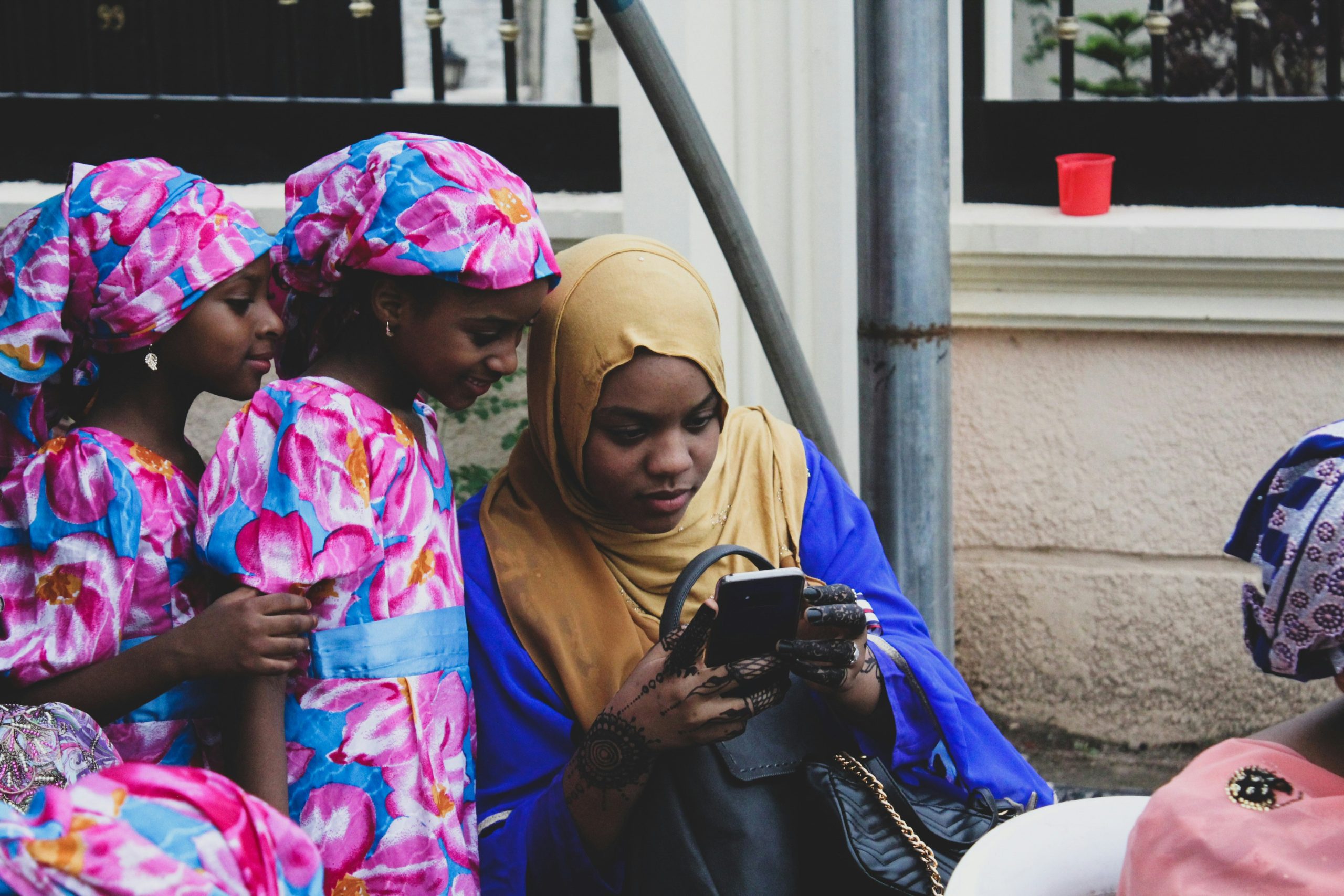
When AI Becomes a Weapon: What African Governments Must Do to Protect Women Online
By Prudence Chepngeno
Across sub-Saharan Africa, artificial intelligence tools are being used to silence, shame, and threaten women in public life. Governments in the region have laws on the books, but almost none of them were built for this moment. The question is no longer whether AI can harm women. It already is. The question is whether African digital governance is serious enough to stop it.
A Canadian’s Past, Present and Future with China

By Charles Burton
Almost fifty years ago, I arrived in Shanghai as a member of the Fudan University class of ’77. I was the first foreign student admitted to the Philosophy Department’s History of Ancient Chinese Thought Program since the Sino-Soviet split of 1961. My thesis advisor, Yan Beiming—a prominent figure on the conservative side of China’s 1920s New Culture Movement—had just returned to campus. Now an elderly professor, he had endured years of imprisonment and torture as Fudan’s “number one object of attack” during the 1966–1976 Cultural Revolution.
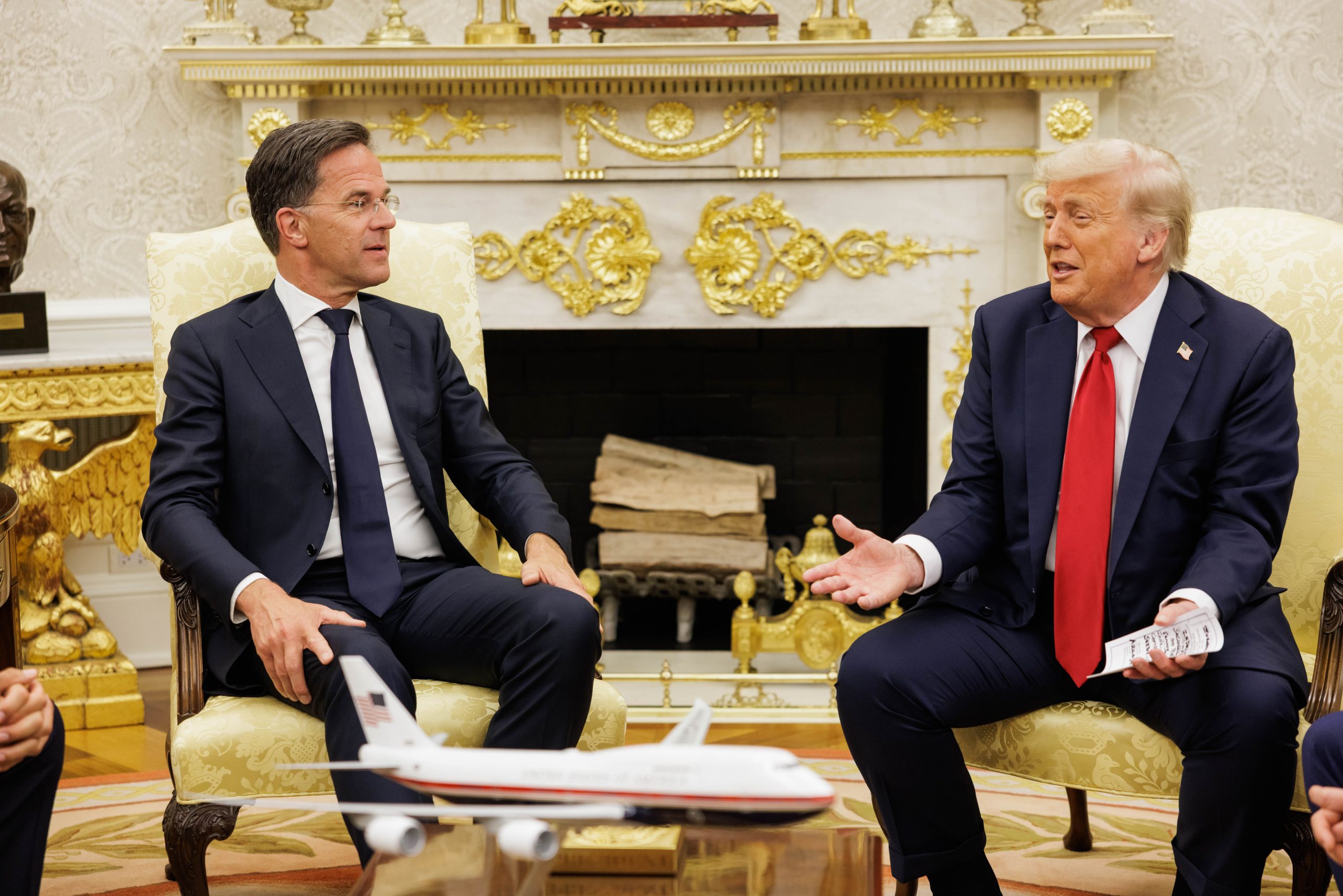
How Trump Views NATO’s Core Obligations Should Deeply Concern Canada and Europe
By Errol Mendes
During his interview on Air Force One while traveling to the June 24-25 NATO summit in The Hague, President Trump was asked whether the US would honour Article 5, if Russia attacked a bordering NATO member. In a stunning response to millions of Europeans who border Russia, who thought they knew that Article 5 meant an attack on one member is an attack on all, Trump stated that it was just a question of interpretation what this core obligation meant.
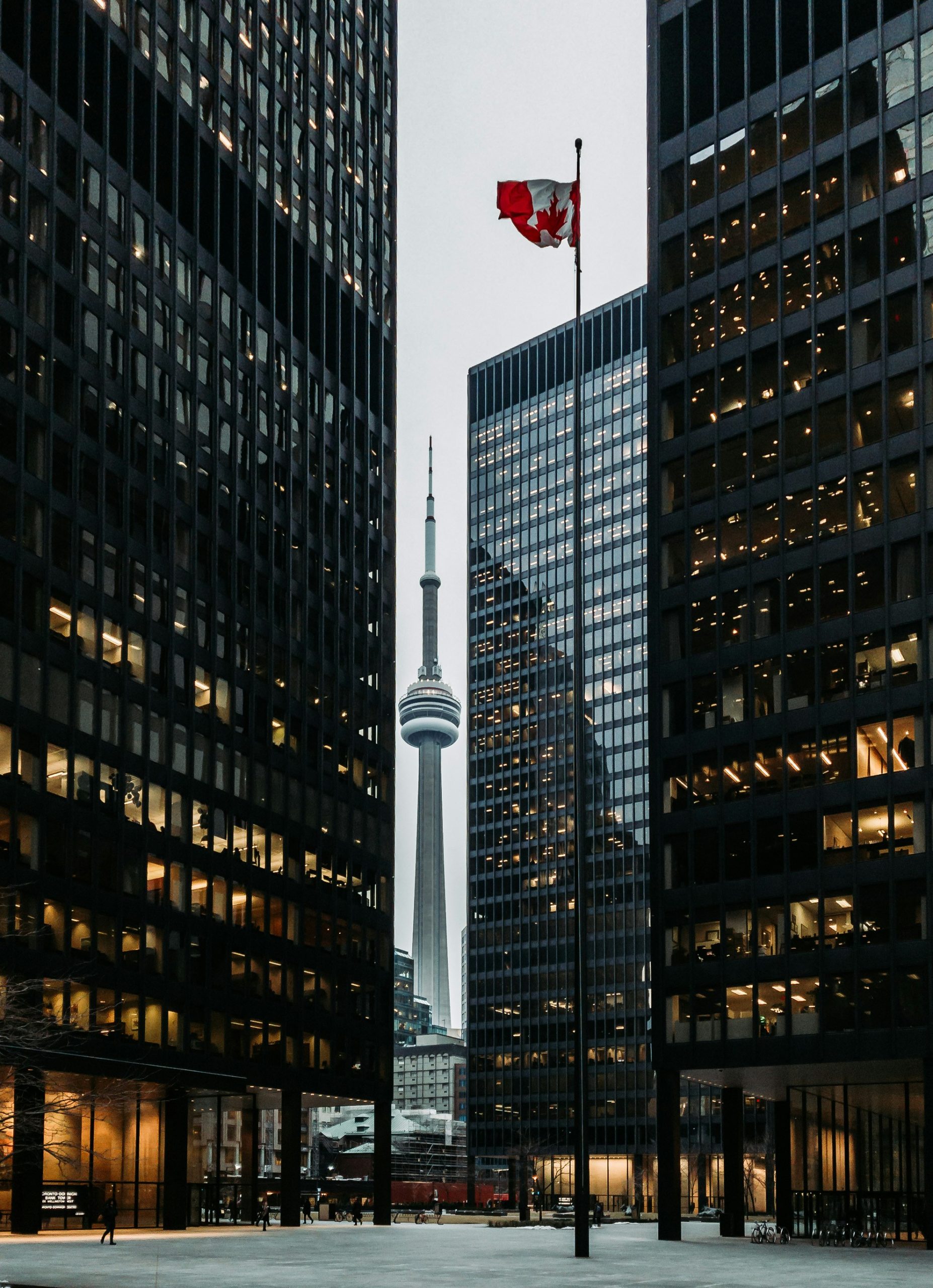
Canada’s Place in a Disordered World: What’s Next for Canadian Diplomacy?
By David McKinnon
The strong interest in the May 12 conference co-hosted by AmbCanada and CIPS on ‘Finding Canada’s Place in a Disordered World’, reflects in a modest way growing public awareness that how Canada secures its place in a rapidly changing world is up for debate.
Our Judges
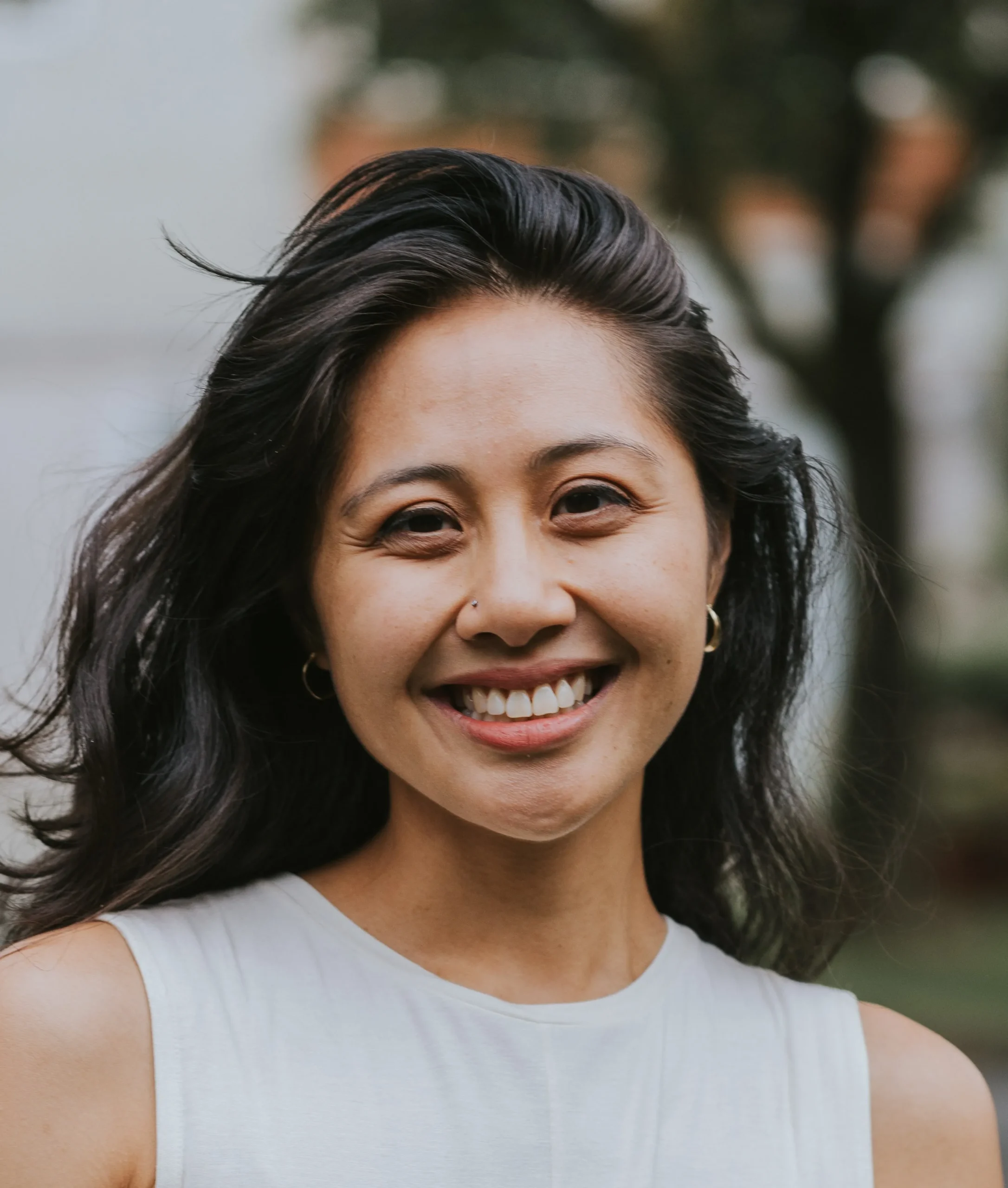 Dr. Julia Palmiano Federer is a Senior Researcher at the Center for Security Studies (CSS) at ETH Zürich and an Adjunct Professor at the Graduate School of Public and International Affairs at the University of Ottawa.
 Dr. Margaret Jenkins is a Senior Fellow and Professional in Residence at the University of Ottawa, as well as the Co-Director of the Gender, Peace & Development Research Network at the University of Ottawa.
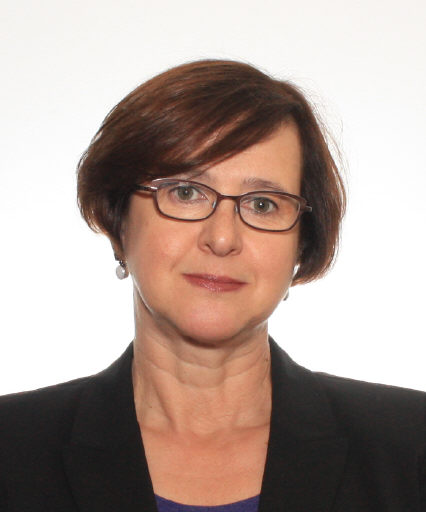 Susan Gregson is a Senior Fellow with the Graduate School of Public and International Affairs at the University of Ottawa. She served in the Canadian public service with distinction for 35 years, occupying several senior executive positions.
The previous winners of the award are:
- 2020: MBS admits “full responsibility” for the Khashoggi murder: What this means for the Kingdom’s allies by John Packer
- 2021: Bidenomics Signals the End of the Third Way in Economic Policy by Jacqueline Best
- 2022: The Politics of Travel Bans by Rita Abrahamsen
- 2023: Iran’s Revolution: Will the Islamic Regime Endure? by Farhad Rezaei
- 2024: Exclusion and Democracy: A Look at Immigration Justice in Democratic States by Patti Tamara Lenard
- 2025: The 2% NATO Defence Spending Target is Not Evidence-Based Policymaking by Cesar Jaramillo