

Subscribe to the CIPS Newsletter
- Home
- Populism in Postmodern Times: In Search of a Deeper Democracy?
Populism in Postmodern Times: In Search of a Deeper Democracy?

Event Date: March 20, 2026 - 11:00am to 1:00pm
Location: FSS 4004, 120 University Private
Registration (appreciated but not required): Google Forms
Presented by CIPS
Since the 1980s, with the mutations of modernity, the fall of the Berlin Wall, and even more so since the global financial crisis of 2008, many have observed a resurgence of populism, both on the right and on the left. To describe our era and diagnose the causes of the multiple crises afflicting liberal democracies, scholars cite uprooting, depoliticization, downward social mobility, disenchantment, but also broken promises and widespread fragmentation. Leaving aside the view of populism as a mere anomaly or an authoritarian threat, the panel proposes to examine various populist phenomena—in Central and Eastern Europe, Western Europe, and Murray Bookchin’s “new communalist populism” in the United States—from a long-term perspective. In the face of postmodern changes, do the various demands and utopias of these populisms constitute nostalgia for the past or herald future forms of democracy? What are their logics and how do they fit into the historical process?
This event will take place in French. Lunch will be provided.
Presentations:
Eric Martin – Left-wing populism, as theorized by Chantal Mouffe, seeks to unite different fragments of the people and social movements into a new counter-hegemonic front capable of countering both capitalist/neoliberal globalization and the false alternative of right-wing populism, by bringing together political resistance around meanings that can connect with the concerns, insecurities, and emotions of the population. However, this model advocates “radical reformist” action within existing institutions. Instead, we will consider, with Murray Bookchin, the possibility of conceiving of a non-hierarchical and non-statist populism in the form of communalism and confederalism, comparing this idea with the thinking of Michel Freitag.
Roman Krakovsky – The appeal of populism in Central Europe stems from a long-standing historical rationality. Since the advent of modernity, this region has often been subjected to extractive imperial policies, confining it to the role of a periphery of the West. Drawing on political sociology, this presentation will analyze contemporary illiberalism as an attempt by societies deprived of their agency to overturn this structural asymmetry and regain control of their own destiny. Faced with globalization that is perceived as a renewed form of imperialism, populist logic aims to restore this confiscated agency. Through this quest for sovereignty, these margins seek to redefine the balance of power in order to reintegrate history on their own terms.
Stéphane Vibert – Complementing and competing with the liberal and procedural foundations of the rule of law and the balance of powers, “populism” refers to the principle of legitimacy aimed at the historical self-determination of a unified body (the “sovereign people”). However, “national populism” is emerging as a political movement at the very moment when this “people” is fading as an imaginary and symbolic reference point for political modernity, giving way to postmodern regulations such as economics and law, which are better suited to supporting individualistic ideology in its emancipation from any collective normative framework.
Speakers:
 Eric Martin (Ph.D.) is a professor of philosophy at Cégep St-Jean-sur-Richelieu and co-coordinator of Collectif Société. He contributed to the book Les populismes d’hier à aujourd’hui. Les ambiguïtés d’une parole attribuée au peuple, edited by France Giroux and André Mineau, JFD Éditions, 2021, as well as the book Avant d’en arriver là : Essai choral sur le péril fasciste (Écosociété, 2026).
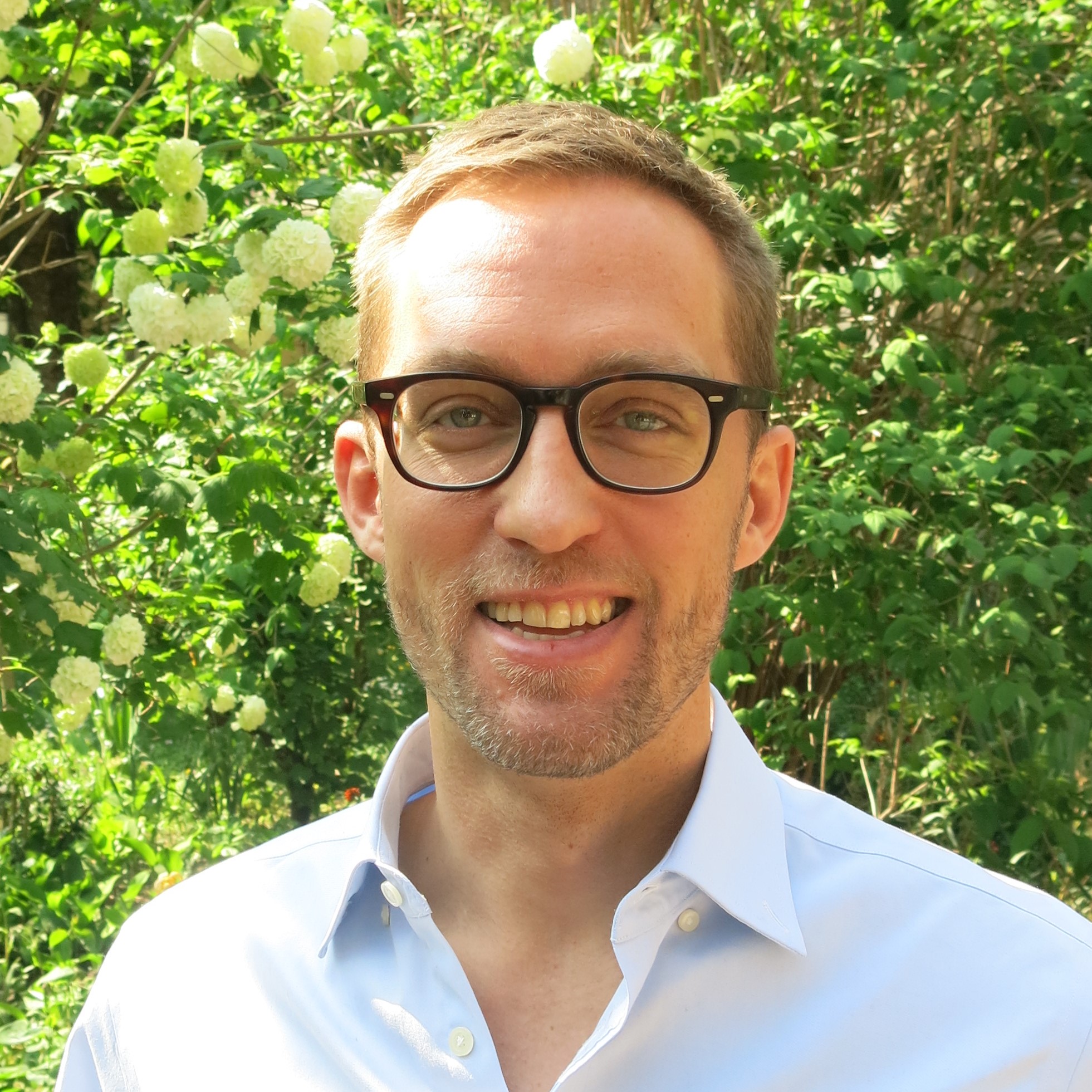 Roman Krakovsky is an associate professor of history at the University of Ottawa and holds the Chair in Slovak and Central European Studies. His research, at the intersection of history and political sociology, examines the processes of modernization, social cohesion, and the genesis of populism in Central Europe over the long term.
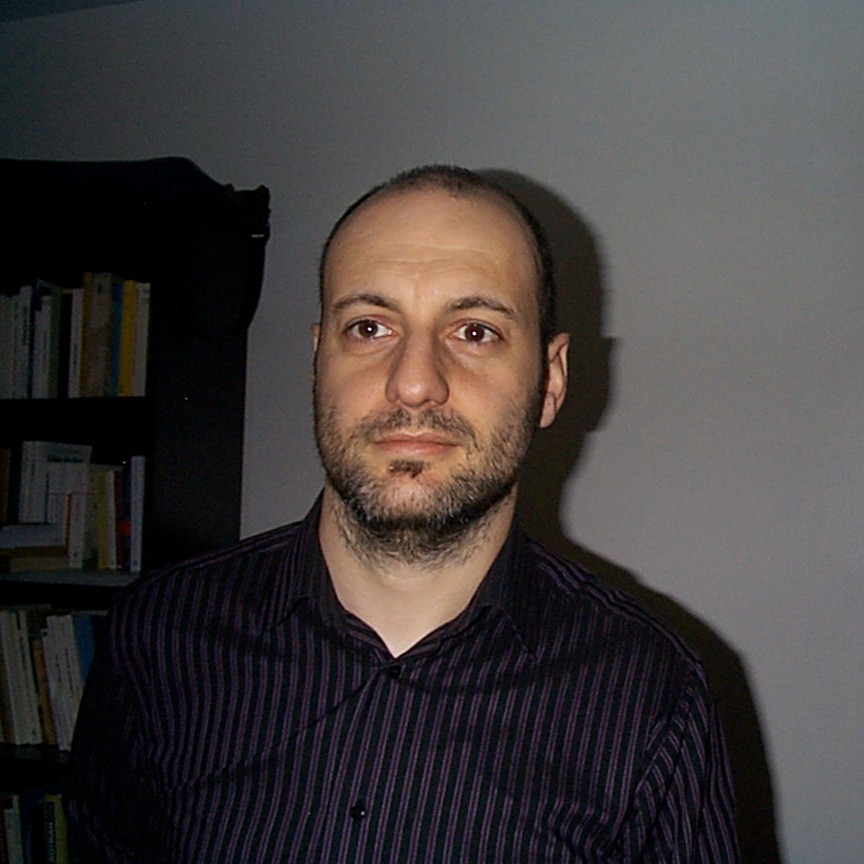 Stéphane Vibert is a full professor at the School of Sociological and Anthropological Studies at the University of Ottawa. He holds a PhD in social anthropology from the École des Hautes Études en Sciences Sociales (Paris) and degrees in political science and comparative sociology. His research focuses on the concept of “community” and various modern collective identities.
Introduction:
 Anna Bogic is a Research Associate with CIPS and has conducted research on ethno-nationalism, post-socialism in Eastern Europe, and women’s reproductive rights. Her current project focuses on left/right populist politics and abortion laws.