AUTHOR
Stephen Baranyi
Full Professor, School of International Development and Global Studies



Par Stephen Baranyi et Johnny Velcy*
L’accord du 3 avril 2024, entre les partis politiques haïtiens qui avaient formé le Conseil présidentiel de transition (CPT) un mois plus tôt, demeure un instrument de gouvernance remarquable dans la quête d’une solution …
READ MORE
By Stephen Baranyi, Jody-Ann Anderson, Safo Musta & Nancy Saint Louis
The election of a new Canadian federal government, in a context of increasing tensions with the United States and other large powers, has sparked debates about the future of …
READ MORE
By Yiagadeesen Samy and Stephen Baranyi
On 22-23 September, the UN Summit of the Future will seek to enhance global cooperation and accelerate progress towards the Sustainable Development Goals (SDGs). Adopted by all UN member states in 2015 as part …
READ MORE
Par Stephen Baranyi et Youdeline Chérizard
Depuis le début de mars, la crise sécuritaire et humanitaire en Haïti s’est dramatiquement aggravée. Des gangs fédérés sous le parapluie du G9, dirigés par Jimmy Chérizier, ont libéré environs 4500 prisonniers de deux …
READ MORE
Le 16 novembre 2022, le Réseau de recherche sur les États fragiles (du CÉPI) et le Centre de recherche interdisciplinaire et de valorisation des savoirs en Haïti (CRIVASH), à l’Université d’Ottawa, ont accueilli un webinaire pour explorer la question évoquée …
READ MORE
For a few weeks after protests reignited in Haiti’s major cities on 7 February 2019, the media carried images of angry protesters and much speculation on what this meant for the embattled country. Familiar tropes dominated the narrative: “the people” …
READ MORE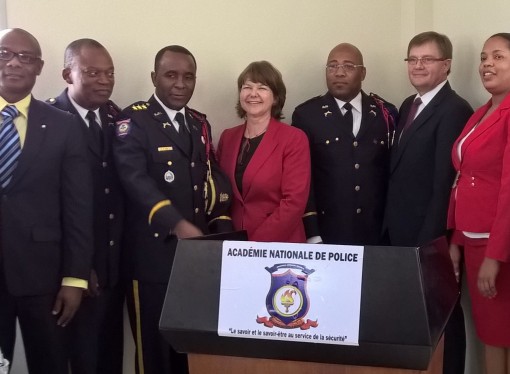
As Stephen Brown noted in a recent blog, much of the media commentary on the latest Peer Review of Canada’s development co-operation has focused on its recommendations to increase spending and implement the Feminist International Assistance Policy. Brown reminds …
READ MORE
Par Stephen Baranyi et Ilionor Louis
Lorsqu’Haïti apparaît dans les médias canadiens, ces jours-ci, c’est généralement la crise électorale qui attire notre attention. La gestion problématique et la contestation des élections en août et octobre 2015, ainsi que les difficultés …
READ MORE
There are over one billion persons with disabilities in the world today. Although many are at the “bottom billion” of the global hierarchy, over the past decade they have capably organized to get their rights …
READ MORE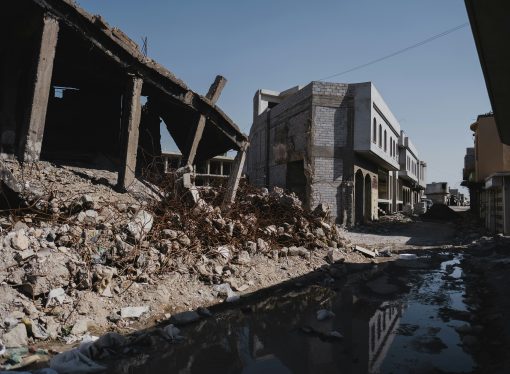
By Stephen Baranyi
The arrival of a new government in Ottawa presents an opportunity to reposition Canada in fragile and conflict-affected states (FCAS) such as Afghanistan, Haiti and South Sudan, where distinct mixes of weak public institutions, high levels of …
READ MORE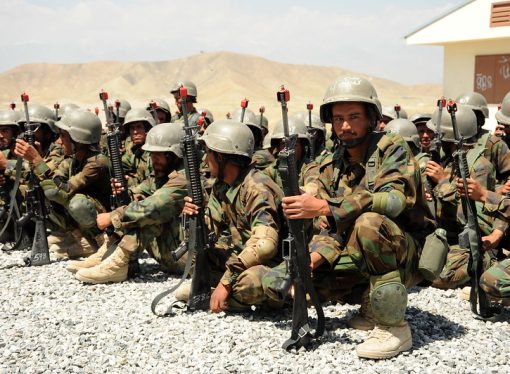
In March 2015, the Department of Foreign Affairs, Trade and Development released the Synthesis Report: Summative Evaluation of Canada’s Afghanistan Development Program. On April 14, CIPS and its Fragile States Research Network (FSRN) held a panel to discuss the …
READ MORE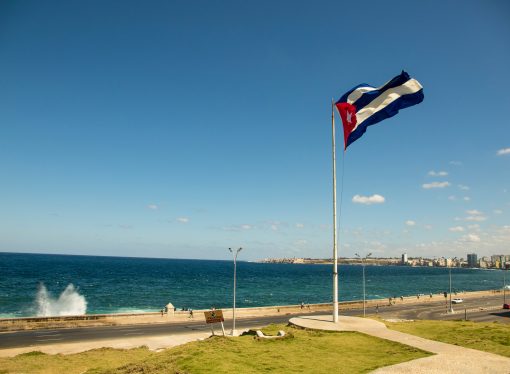
This commentary reflects the public remarks and off-the-record discussion with officials at the forum on Cuba, the 2015 Americas Summit, and Beyond: Obstacles and Opportunities, which was co-sponsored by CIPS on September 4, 2014.
Most Latin American and Caribbean …
READ MORE
By Stephen Baranyi and Tag Elkhazin
The signing of the 2005 Comprehensive Peace Agreement (CPA) between the Government of Sudan and the Sudan Peoples’ Liberation Movement/Army sparked optimism that the country could find a way out of its devastating cycle …
READ MORE
By Alicia Dobson and Stephen Baranyi
This essay, along with the ones by Yiagadeesen (Teddy) Samy and by Syed Sajjadur Rahman, arose out of the Bangladesh: Out of Fragility symposium held at the University of Ottawa on November 26, …
READ MORE
For anyone who thought that ‘fragile states’ would quietly fade off Canadian policy agendas when Canadian forces withdrew from Kandahar, the last year has been full of surprises. In 2012, Mali—long considered a paragon of democracy and a stable African …
READ MORE