

Subscribe to the CIPS Newsletter
- Home
- Blog
Blog

Pre-Election Reflections from Kabul
- Analysis
- March 31, 2014
On April 5, the people of Afghanistan will vote in their third national election since 2001—a hundred million-dollar effort financed by international donors. The air is filled with anticipation and hope, albeit tempered with grave concerns held by both the international community and Afghans about the spiraling insecurity engulfing the country. In the past four
READ MORE
Coming Soon: A Truly Global Human Rights Revolution?
- Analysis
- March 31, 2014
Published on the openGlobalRights Blog, March 31, 2014 There is an unmistakable fin de régime sentiment to much current thinking regarding international human rights. Conferences and discussion forums convene to debate ‘the future of human rights’, with implicit in the title the idea that there might not be one. An upsurge in interest in the
READ MORE
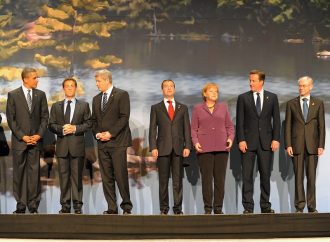
With Russia Out of the G8, What About the G7 and G20?
- Analysis
- March 25, 2014
Following Russia’s annexation of Crimea, Prime Minister Harper has insistently demanded that Russia be expelled from the G8. But what sort of G7 will survive that action? And what happens to the G20? For now, the situation was resolved at Monday’s crisis G7 meeting called by President Obama as an add-on to a nuclear summit
READ MORE
Europe Will Wake Up, and Putin Can Expect a Harsh Response
- Analysis
- March 25, 2014
Published in The Globe and Mail, March 19, 2014 There are many aspects to the current struggle over the future of Crimea which pose serious difficulties for an international community that would like to respond firmly. On the one hand, Vladimir Putin’s charade over troops without insignia notwithstanding, this is an act of naked aggression
READ MORE

The CIPS Blog is written only by subject-matter experts.
CIPS blogs are protected by the Creative Commons license: Attribution-NonCommercial-NoDerivatives 4.0 International (CC BY-NC-ND 4.0)