

Subscribe to the CIPS Newsletter
- Home
- Blog
Blog

The Right Call on the Wrong War
- Analysis
- March 19, 2013
Published in Opencanada.org, March 19, 2013 In the weeks leading up to the disastrous invasion of Iraq a decade ago, a number of prominent Canadian commentators and political figures warned of dire consequences to Canada-U.S. relations if this country failed to join the American-led coalition. As it turned out, however, the U.S. administration quickly got
READ MORE
Whose Freedom Counts in Canada’s Middle East Policy?
- Analysis
- March 18, 2013
Published in the Toronto Star, March 18, 2013 The profusion of official statements the Harper government issues to recognize Canadians’ diverse ethnic and religious holidays suggests a deep-seated love of all that is festive and momentous. But for the scribes tasked with writing these messages, it can’t be easy to find fresh wording each year
READ MORE
Immigration Raids Are Not Entertainment
- Analysis
- March 18, 2013
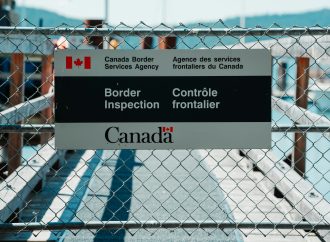
On Friday, the Globe and Mail reported that, accompanied by television crews to film their activities, the Canadian Services Border Agency (CSBA) raided construction sites in British Columbia believed to be staffed in part by irregular migrants, with the purpose of apprehending and deporting those who are not entitled to live and work in Canada.
READ MORE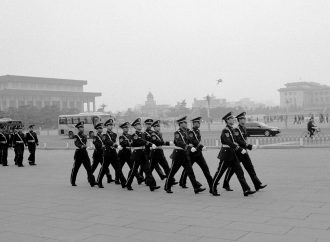
Eaux troubles en mer de Chine
- Analysis
- March 14, 2013
Si les récentes frasques du dirigeant nord-coréen Kim Jong-un ont momentanément détourné l’attention de la communauté internationale , la plus grande menace à la paix mondiale en Asie de l’Est demeure la rivalité sino-japonaise à propos des îles connues sous le nom de Senkaku(pour la partie japonaise) ou Diaoyu(pour la partie chinoise). Il s’agit d’un
READ MORE

The CIPS Blog is written only by subject-matter experts.
CIPS blogs are protected by the Creative Commons license: Attribution-NonCommercial-NoDerivatives 4.0 International (CC BY-NC-ND 4.0)