

Subscribe to the CIPS Newsletter
- Home
- Blog
Blog

The Case of Omar Khadr
- Analysis
- July 13, 2017
The Omar Khadr case is again front-page news following the settlement of his longstanding lawsuit against the Canadian government. The news has elicited a wide range of comments from the usual suspects. I was among a small group in Foreign Affairs Canada who dealt with the Khadr case from 2002, when he was captured at
READ MORE
CETA after Opinion 2/15: Legal Clarity or Confusion?
- Analysis
- July 13, 2017
By Jens Ladefoged Mortensen Department of Political Science, University of Copenhagen The EU’s trading partners must wonder what goes on inside Europe. What does it take to get a trade deal done? True, trade negotiations are notoriously complex. The CETA agreement took over seven years to negotiate. The controversial investment chapter was unilaterally revised by
READ MORE
After Abdication
- Analysis
- July 9, 2017
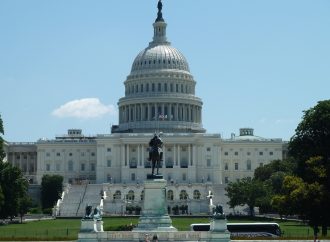
By Peter Marcus Kristensen University of Copenhagen American observers of international affairs are currently enmeshed in a debate on the uncertain future of the “US-led liberal international order.” This is, of course, spurred by the election of President Trump and his nationalist and isolationist “America First” strategy. Trump’s wavering approach to alliance commitments, skepticism towards
READ MORE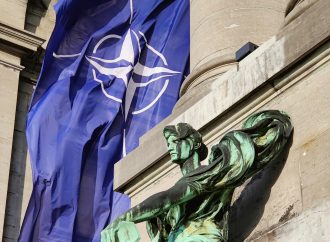
NATO: A Liberal Alliance in an Increasingly Illiberal World?
- Analysis
- July 9, 2017
By Alexandra Gheciu Graduate School of Public and International Affairs, University of Ottawa In recent weeks, we have witnessed a number of developments designed to signal NATO’s persistent — arguably reinvigorated — role as the key security institution of the transatlantic community of liberal democracies. For instance, on 29 June NATO Defence Ministers met to
READ MORE

The CIPS Blog is written only by subject-matter experts.
CIPS blogs are protected by the Creative Commons license: Attribution-NonCommercial-NoDerivatives 4.0 International (CC BY-NC-ND 4.0)