

Subscribe to the CIPS Newsletter
- Home
- Blog
Blog
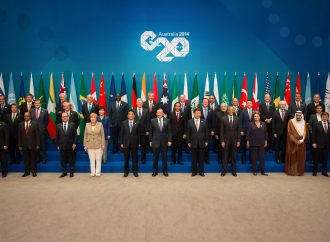
The G20 at Five: More Technocratic and Less Visionary
- Analysis
- September 10, 2013
While media attention was focussed on Syria, the G20 issued its most detailed communiqué in its five-year history. It includes commitments to work together on a wide range of issues: strong and sustainable economic growth, unemployment and underemployment (particularly among young people), long-term financing for investment, international trade, cross-border tax evasion and avoidance, financial reforms
READ MORE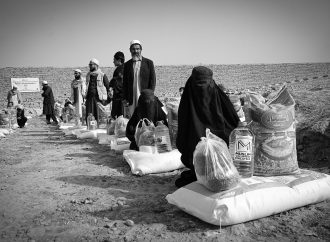
Is the Global Partnership Ready to Broaden Its Mandate?
- Analysis
- September 4, 2013
Partnership, especially global, has to be a good thing. But many saw the Global Partnership for Effective Development Cooperation as a flawed last-minute compromise agreed at the 2011 Forum on Aid Effectiveness in Busan, Korea. The question remains whether the Global Partnership (GP) might evolve into a key element in the new global architecture on
READ MORE
Syria and Obama’s Flawed Logic of Message-Sending
- Analysis
- September 4, 2013
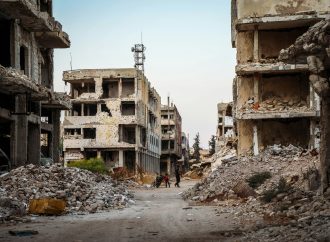
Published in the Toronto Star, September 4, 2013 In announcing his plan last Saturday to put the prospect of Syrian intervention to a Congressional vote, President Obama posed a ringing question to his domestic and global audience: “What message will we send if a dictator can gas hundreds of children to death in plain sight
READ MORE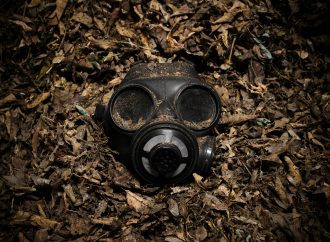
On Law, Policy, and (Not) Bombing Syria
- Analysis
- September 3, 2013
Ian Hurd is an Associate Professor of Political Science at Northwestern University The debate sparked by Syria’s chemical weapons attack includes at least three separate controversies: 1) which (if any) international legal instruments govern Syria’s use of chemical weapons; 2) whether outside military action against the Syrian regime violates international law; and 3) whether US
READ MORE

The CIPS Blog is written only by subject-matter experts.
CIPS blogs are protected by the Creative Commons license: Attribution-NonCommercial-NoDerivatives 4.0 International (CC BY-NC-ND 4.0)