

Subscribe to the CIPS Newsletter
- Home
- Blog
Blog

Remembering the Happy 90s and the Hope for Europe’s Return
- Analysis
- October 27, 2021
While Europe had grown accustomed to the idea that catastrophes happen elsewhere, at least since the end of the Second World War, the Covid-19 pandemic was a humbling event. Its blatant socio-economic consequences have added more stress to the cycle of crises (financial, refugee, and climate) that have affected Europe in the past decade. The context is
READ MORE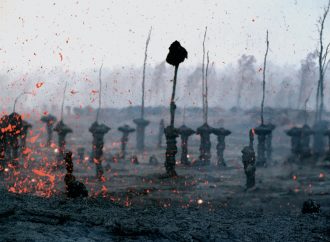
Every Conversation About the Threat Environment is Important
- Analysis
- October 26, 2021
The COVID19 pandemic is the greatest single human tragedy of the internet era. We cannot be certain the end is in sight. The pandemic danger will not end if COVID is finally controlled. Other currently known diseases could surge into pandemics: Middle East Respiratory Syndrome, Nipah Virus, Ebola, swine flu, and yellow fever. As COViD19
READ MORE
Talking to the Taliban
- Analysis
- October 18, 2021
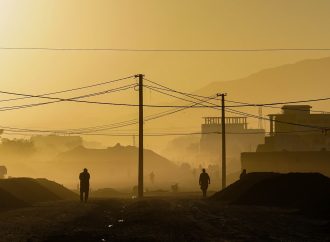
As the Taliban swept across Afghanistan this summer, the capital cities of the provinces fell like a house of cards. Kunduz fell by August 8. Herat, Lashkar Gah, and Helmand followed within a few days. As the news of the collapse of the frenzied Afghan troops in Mazar flashed in the news, I recalled a
READ MORE
CIPS Best Blog Award 2021: Public Voting Now Open
- Analysis
- October 13, 2021
Last year we launched our first ‘Best Blog Award’ competition. While the principal motivations behind the competition were to (a) offer up an engaging experience for you, dear reader and (b) draw some more attention the expertise and hard work of our authors, we also found that by rereading some of the older blogs we
READ MORE

The CIPS Blog is written only by subject-matter experts.
CIPS blogs are protected by the Creative Commons license: Attribution-NonCommercial-NoDerivatives 4.0 International (CC BY-NC-ND 4.0)