

Subscribe to the CIPS Newsletter
- Home
- Blog
Blog
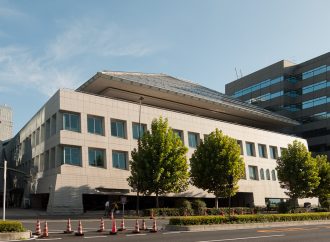
Science and Technology in Canada-Japan Relations: Facing Together the Challenges of COVID-19 and Beyond
- Analysis
- March 24, 2021
On February 25, 2021, CIPS hosted the webinar “Facing the Pandemic Together: Canada-Japan Science and Technology Cooperation.” After an introduction by Ambassador Yasuhisa Kawamura, there was a lively discussion with Howard Alper (uOttawa), Melanie Cullins (National Research Council), Yuko Harayama (RIKEN), Ichiro Taniuchi (RIKEN), and Mark Lathrop (McGill University). The seminar provided an overview of
READ MORE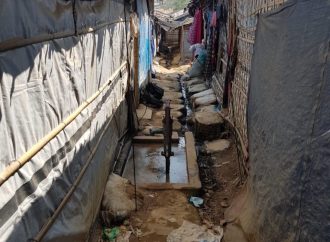
The Pandemic, Borders and Refugees
- Analysis
- March 18, 2021
The global response to the spread of COVID-19 teaches us that, although border closures may be critical to fighting the spread of disease, they cause harm, often irrevocable damage, to many of the world’s most vulnerable, namely refugees and asylum seekers. At the height of the pandemic, 168 countries fully or partially closed their borders, and
READ MORE

The Forgotten History of Militant Conservatism in IR
- Analysis
- March 16, 2021
Even for those not listening, it is almost impossible not to hear the collective sigh of relief emanating from foreign policy elites across the globe. “Well,” they mutter (or cheer), “thank goodness that is over.” “That”, it hardly needs saying, was the Trump administration’s foreign policy, and the radical conservative forces across the world that gained energy
READ MORE
Ten Years on from Fukushima: Are We Asking the Right Questions about Nuclear Energy?
- Analysis
- March 15, 2021
On March 11, 2011, an earthquake and tsunami originating near Tōhoku, Japan, caused inordinate damage to communities across Japan’s Eastern coastline. It also triggered a meltdown at the Fukushima Daīchi Nuclear Power Plant. Today – a decade later – the post-disaster clean-up and rebuilding process outside of Fukushima Prefecture is mostly complete, meeting the Japan Reconstruction Agency’s 10-year timeline for earthquake
READ MORE

The CIPS Blog is written only by subject-matter experts.
CIPS blogs are protected by the Creative Commons license: Attribution-NonCommercial-NoDerivatives 4.0 International (CC BY-NC-ND 4.0)