

Subscribe to the CIPS Newsletter
- Home
- Blog
Blog

Autocrats Use Feminism to Undermine Democracy
- Analysis
- October 30, 2019
More women are being elected in autocratic regimes, but this is part of a democratic facade. The definition of democracy needs to change. Fake news, disinformation, foreign influence in elections: We’re starting to understand the ways bad actors attack democracy in Canada and around the world. But autocrats and other enemies of democracy also use
READ MORE
Issues in Repairing U.S.-Russian Strategic Relations
- Analysis
- October 24, 2019
Similar to during the Cold War, the US and Russia are once again nuclear peer competitors. However, the emergence of a range of new nuclear actors hamper traditional understandings and represent a new – more complex – era in nuclear international relations. It is no surprise that post-Soviet relations between the United States and Russia
READ MORE

This Election, Canadians Can’t Afford to Ignore Parties’ Defence Policies
- Analysis
- October 18, 2019
By Thomas Juneau and Srdjan Vucetic With the federal election days away, Canada faces five major defence challenges: the fragmentation of the rules-based international order, over-reliance on the United States, the challenges posed by emerging technologies, how Canada procures weapons and climate change. Canadians cannot afford to ignore these issues when casting their ballots. Canada’s
READ MORE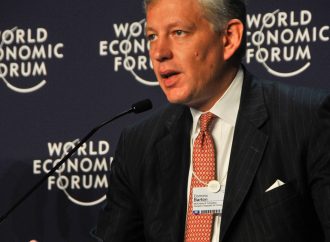
What Does a New Ambassador Mean for Canada-China Relations?
- Analysis
- October 17, 2019
By John Gruetzner and Geoffrey Ziebart The appointment of former McKinsey executive, Domonic Barton, as Canada’s new ambassador to China presents a new opportunity to reset bilateral relations. However, while Barton is well-positioned to further Canadian interests in the world’s second-largest economy, he also faces a range of formidable challenges. Dominic Barton‘sappointment as Canada’s Ambassador
READ MORE

The CIPS Blog is written only by subject-matter experts.
CIPS blogs are protected by the Creative Commons license: Attribution-NonCommercial-NoDerivatives 4.0 International (CC BY-NC-ND 4.0)